.png)
Preparing for Diwali 2020
With Diwali (Dipawali) just around the corner (Saturday 14 November, 2020), many Hindus, Sikhs and Jains are already preparing. For the uninitiated, Diwali is one of Hinduism's most important festivals. It is dedicated to Lakshmi, the Hindu goddess of wealth, fortune, luxury and prosperity
This fantastic five-day ‘Festival of Lights’ is celebrated by millions across the world. For some it coincides with harvest and new year celebrations, and it’s as big an occasion for many as Christmas is for Christians. It is a fabulous festival of new beginnings, celebrating good over evil, and light over darkness.
On Diwali night, the Goddess Lakshmi is supposed to visit each house and bless devotees with wealth and luxury. However, tradition has it that the Goddess Lakshmi will only grace homes that are clean and well-lit.
Many people worship Goddess Lakshmi and Lord Ganesha together as part of this festival. Whilst Lakshmi is the goddess of wealth, Ganesha is the lord of intellect and wisdom: having the intelligence to earn and spend wealth properly is highly desirable. (There may be something in this: at the last census, Hindus were found to be more likely to be economically active than others professing a major religion.)
There are fabulous traditions and stories around their partnership/liaison. Hindus light lamps, wear new clothes, exchange gifts and pray as part of festivities. Many homes create a raised platform with a new red cloth for statues of Ganesha and Lakshmi. Sweets are prepared and ready. Homes are decorated with lights, streamers and ribbons. Colourful rangolis (traditional patterns) are drawn in doorways using coloured powder or petals.
And on the day itself, people fast for a full day, before celebrating.
In preparation, now is the time to throw away unwanted items, clean, repaint and refurbish homes (‘out with the old, on with the new’) – a massive Spring clean. (Should we say ‘Winter clean’ in the UK?)
This is where we at easyStorage may be able to offer some help in preparing. Hindu households are more likely to be ‘overcrowded’ than average in Britain (22% compared with a national average of only7.4%); and 19% of Hindu households are multiple-family or extended family households. When space is tight, clearing and tidying can be tough.
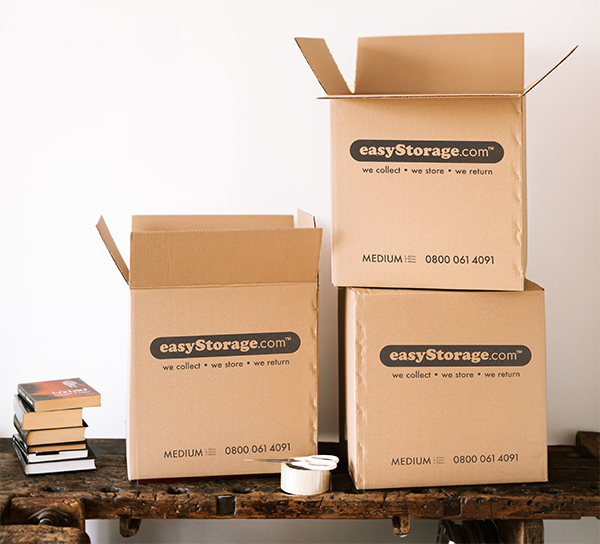
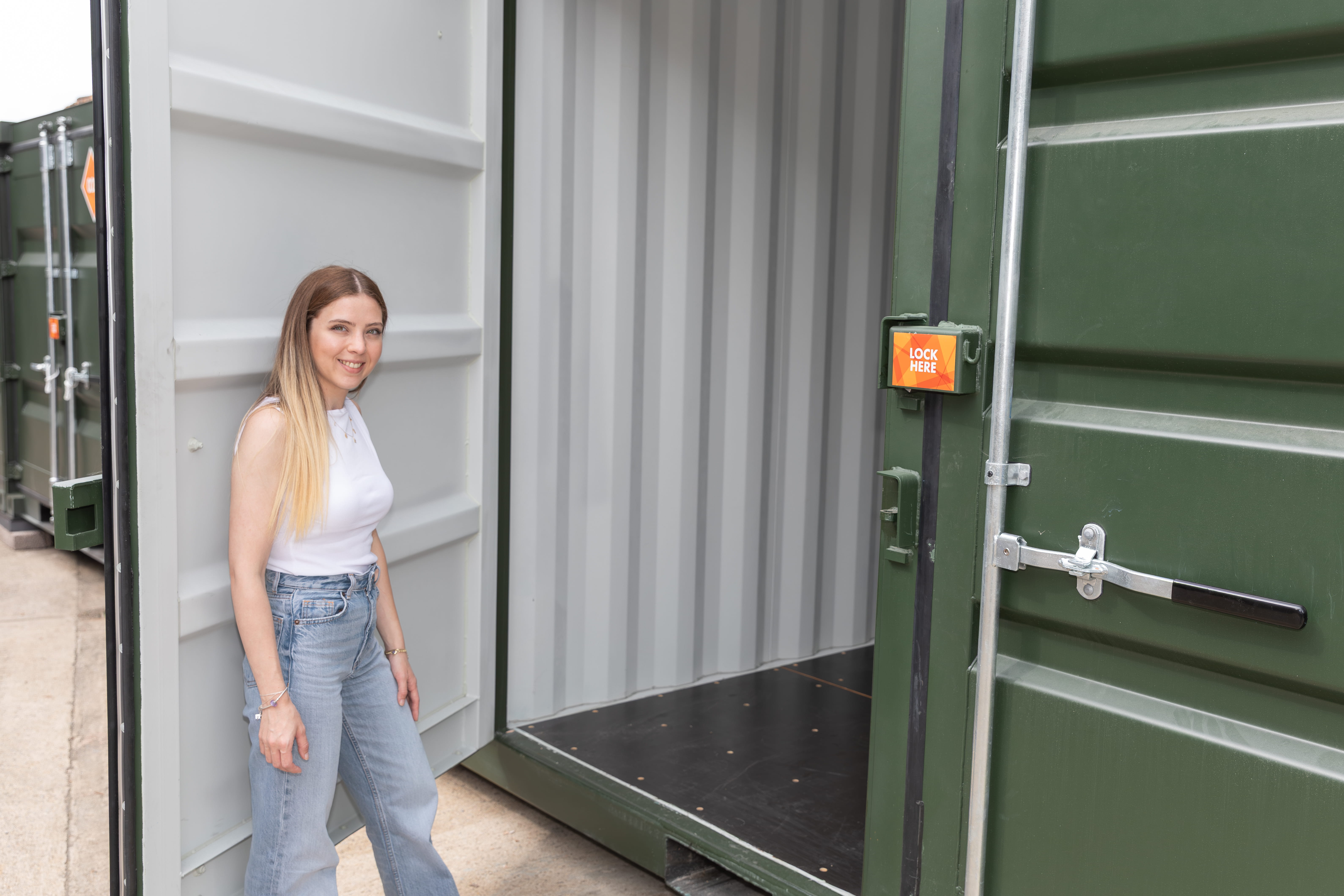
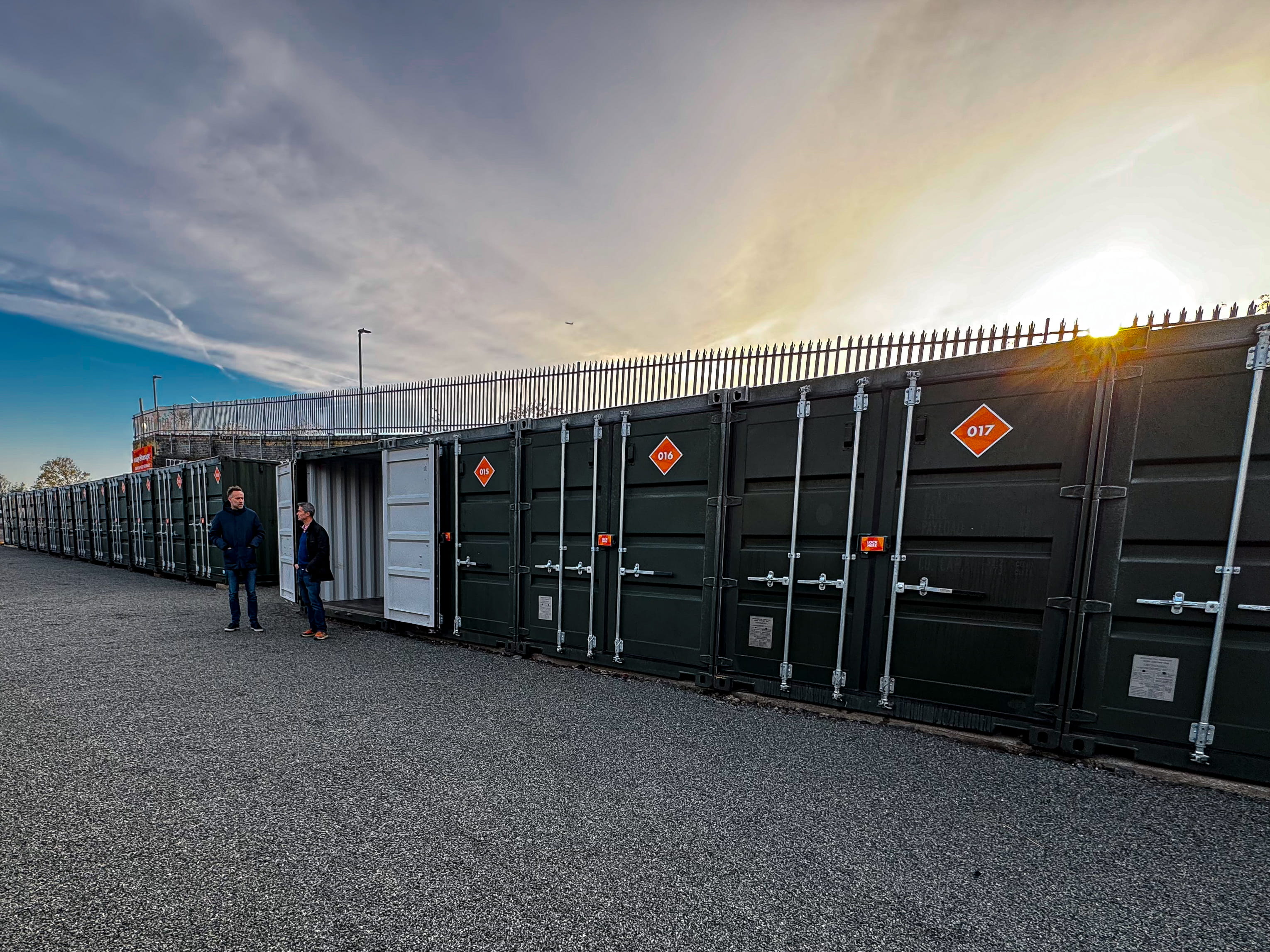
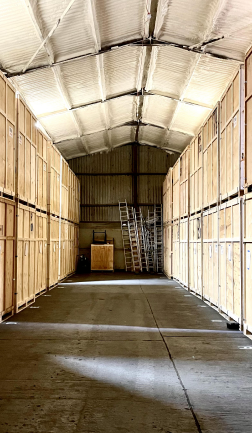
easyStorage can store away the items that only come out for Diwali; and can help families make the most of the clean-up by offering cheap space to store seasonal items or things that no-one wants to throw out because they have sentimental value, yet which are rarely used. And where families merge or extra family members are moving in, easyStorage can hold furniture and belongings whilst everyone settles and sees what’s needed.
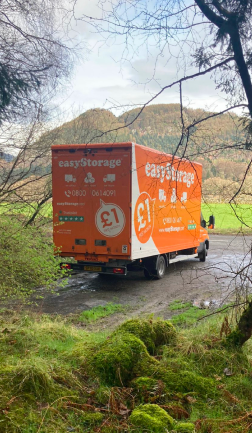
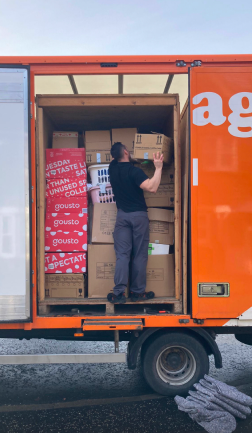
(Better still, easyStorage will come to you to collect, and return things to your door.)
With or without our help, easyStorage sends best wishes to Hindu friends, colleagues and other readers: may Lord Ganesha to bestow you with divine knowledge and guide you on the right path of life; and may the goddess Lakshmi bless you with wealth, prosperity and happiness.
Shubh Deepawali!

.png)

.jpeg)