.png)
Winterising and Storing Motorbike for Storage
Wet, muddy roads. Snow and ice. Grit. Poor visibility in the rain and drips down your neck. Motorcycle riding in the winter is for the brave or foolhardy. But how do you winterise your bike to ensure that it stays ready for use come next Spring rather than rotted, or home to four – or eight – legged friends?
Sticking the bike on its stand and covering it over it may just lead to starting problems next Spring, so we’ve gathered a few tips for winterising your bike and storing it properly.
Tyres
Inflate the tyres. They will naturally deflate slightly whilst not in use, so inflating them fully will help them remain in good shape rather than collapsing and deforming.
Clean the bike
Remove all dirt and grit from the bike with a specialist cleaner or with warm, soapy water.
Optionally, to prevent rusting and corrosion, use a clean rag sprayed with lubricant to wipe down any polished or anodised metal surfaces. (NEVER lube the brake discs).
Be sure to clean and lubricate the bike chain, the most likely thing to rust. Work in degreaser with a brush, then wash it away and regrease generously with wet chain lube.
Drain the carburettor of fuel
Motorcycle fuel can start to spoil within just two weeks, potentially harming your bike.
Draining the carburettor of fuel will prevent expensive clogs or restrictions, as well as corrosion, and will allow you to store the bike in secure storage facilities: good facilities won’t allow vehicles with fuel to be stored (for everyone’s safety).
Instructions gleaned online from Cruiser magazine are summarised as follows:
If your bike has a petcock, turn it to ‘off’. Loosen the screw or bolt to the float bowl and drain the fuel into a suitable, safe container.
If you can’t get to the drain, or there isn’t one, run the bike with the fuel turned off until the engine stops.
This process is less easy for a fuel injected bike, but these instructions, from themotorbkers.com, seem to have it covered: https://themotorbikers.com/how-to-drain-gas-from-a-fuel-injected-motorcycle/
Drain the engine oil
Normal engine combustion creates by-products, including moisture and acids. These can corrode your oil tank if the bike is being left unused.
If you’re keeping the bike somewhere accessible, fuel stabiliser is an option, but to store safely you’ll need to drain the engine oil.
Empty out the coolant
Proper coolant won’t freeze and crack the coolant hoses or cause corrosion. However, if you use water, remove it from the coolant system and flush it out with a proper bike coolant/antifreeze before storing.
Seal the exhaust and airbox
Use thick plastic bags to seal the exhaust and airbox, securing them with elastic bands.
Spark plugs
This step is more ‘optional’ than ‘highly recommended’, but, as a precaution, remove the spark plugs and spray in some fogging oil to help prevent corrosion within the engine cylinder walls.
Disconnect the battery
Ideally remove the battery, and put it somewhere that you can monitor and top up the charge periodically over the winter months.
For a lithium-ion battery, simply disconnect the negative terminal. It should hold its charge whilst in storage (for up to a year).
Indoor storage
Indoor storage is a far better storage option than a garage where temperatures fluctuate and bugs and/or mice are looking for their winter home. (Temperature changes can cause condensation build-up, which is damaging to bikes.)
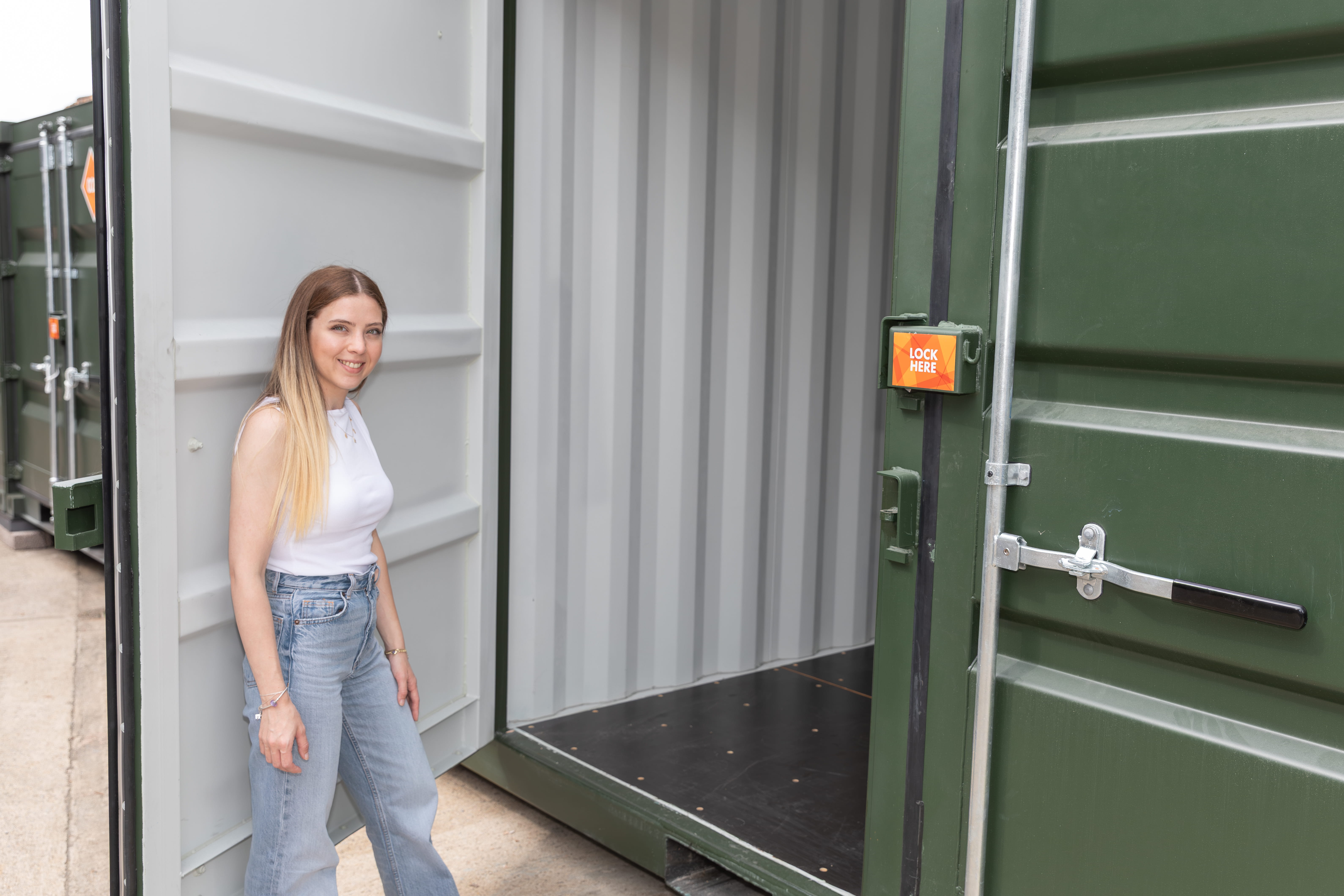
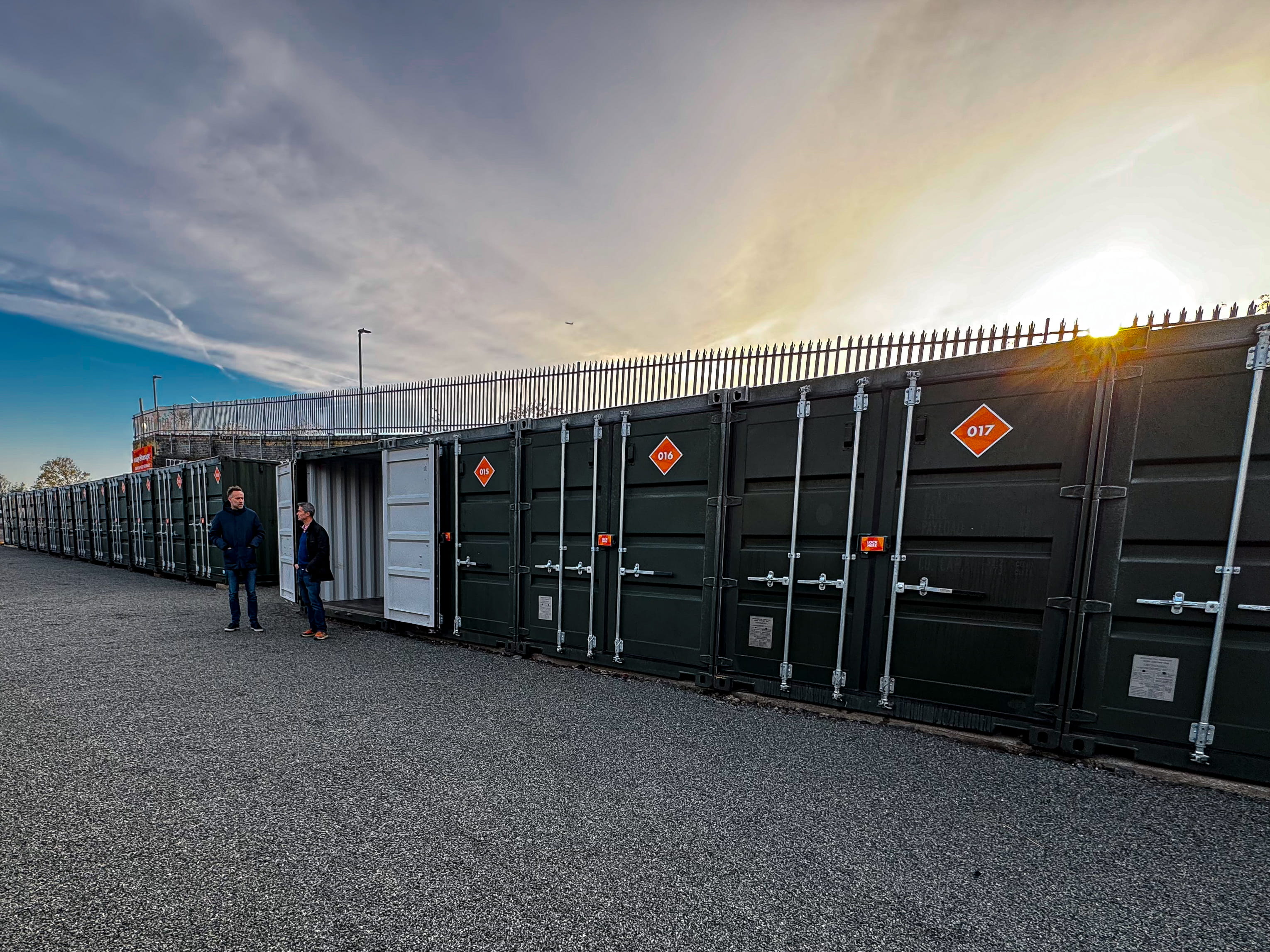
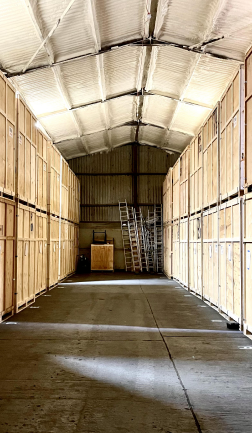
Whilst many storage units won’t accept vehicles, easyStorage will accept a motorbike that’s been drained of fuel.
If your bike has a centre stand or ‘paddock stand’, use it, or invest in a motorcycle stand/portable hydraulic lift to keep both wheels off the ground. This will help protect the tyres from flat spots and deforming.
Use a bike cover to protect the paintwork, even with indoor storage.
Check your insurance
Make sure your bike’s insurance is adequate for where it’s being stored and that the insurers are aware of where you’re storing it. The good news is that they may reduce premiums if you’re in a safe, third party facility like easyStorage. Don’t be tempted to keep cancelling insurance because you’re not using the bike – whilst some policies may have ‘rest periods’, others may not renew if you keep cancelling, etc. (Checking your insurance is equally important when you start to ride again next year.)
.png)