.png)
Understanding Dementia: Creating a Safe Space for Loved Ones
More than 55 million people around the world are living with dementia, 944,000 in the UK, expected to increase to over one million by 2030 and over 1.6 million by 2050.
The disease is not discriminatory. Racing driver Jackie Stewart is just one of the many who has had his world turned upside down by it. In 2014, his wife Helen was diagnosed with frontotemporal dementia. Her short-term memory is fading, and dementia is taking hold of her mind and body. This is a woman who used to have “a razor-sharp mind that timed his laps to the millisecond with unfaltering accuracy”.
Race Against Dementia was started by the Stewart family, and is driven to fund breakthrough and innovative dementia research. Race Against Dementia Day (January 21, 2023) aims to raise crucial research funds. (Donate here: https://www.raceagainstdementia.com/donate/ )
Dementia is something that we are all too aware of at easyStorage – behind every easyStorage pod lies a very human story, and all too often the story is creating a safer space for someone with dementia, or a loved one moving into care with dementia.
Safer space for someone with dementia
For someone with dementia, getting familiar objects out of storage, like familiar photos, art and ornaments or favourite books for example, is just as important as what we need to clear away to help the sufferer: removing hazards and a little organisation can help the dementia sufferer move around safely:
· On stairs, ensure there is at least one handrail;
· Consider putting safety latches on cabinet doors;
· Clear away unused items and electrical cords, to avoid trips and create more space;
· Put safety grips under carpets to avoid trip hazards and remove small rugs. Some people with dementia become confused and think rugs or mats need stepping over, leading to tripping up:
- On stairs, ensure there is at least one handrail;
- Consider putting safety latches on cabinet doors;
- Clear away unused items and electrical cords, to avoid trips and create more space;
- Put safety grips under carpets to avoid trip hazards and remove small rugs. Some people with dementia become confused and think rugs or mats need stepping over, leading to tripping up:

- Ensure that everywhere is well lit. Natural light is really important, so make sure the windows aren’t blocked by heavy net curtains etc inside, or trees/bushes outside. Particular attention needs to be paid to lighting in toilets and on the stairs, and light switches need to be easily accessible – even consider automatic light sensors;
- Although light is important, a bedroom that’s dark at night can help help with sleep, which is important to dementia sufferers;
- Although we’ve mentioned carpets and curtains as being potential issues, don’t be tempted to get rid of them: carpets, cushions and curtains absorb background noise which can be confusing and distressing for dementia sufferers, especially if floorboards are laminates or vinyl or the sufferer has hearing aids. For the same reasons, if nobody is paying attention to them, turn of radios and televisions.);
- Shiny or reflective flooring may be perceived as being wet, resulting in the person with dementia struggling to walk over it;
- The best flooring is matt and a contrasting colour to the walls:
- Items with busy patterns may confuse someone with dementia. Consider removing/replacing;
- Mirrors can cause confusion in someone with dementia, who can become distressed if they don't recognise themselves;
- Make sure that cleaning products and other hazards are out of reach;
- Think about heating sources – are they at safe temperatures and are they safe?
- Clear labels and signs at the right level for the dementia patient to see on both cupboards and doors can be helpful to them.
Dementia doesn’t have the same symptoms in everyone, so keeping an eye out for the sufferer is key to knowing what needs taking away, and adding to, someone’s space – and take into consideration loss of eyesight, hearing or mobility. The Alzheimers Society has a great little guide to making homes dementia friendly: https://www.alzheimers.org.uk/get-support/publications-factsheets/making-your-home-dementia-friendly
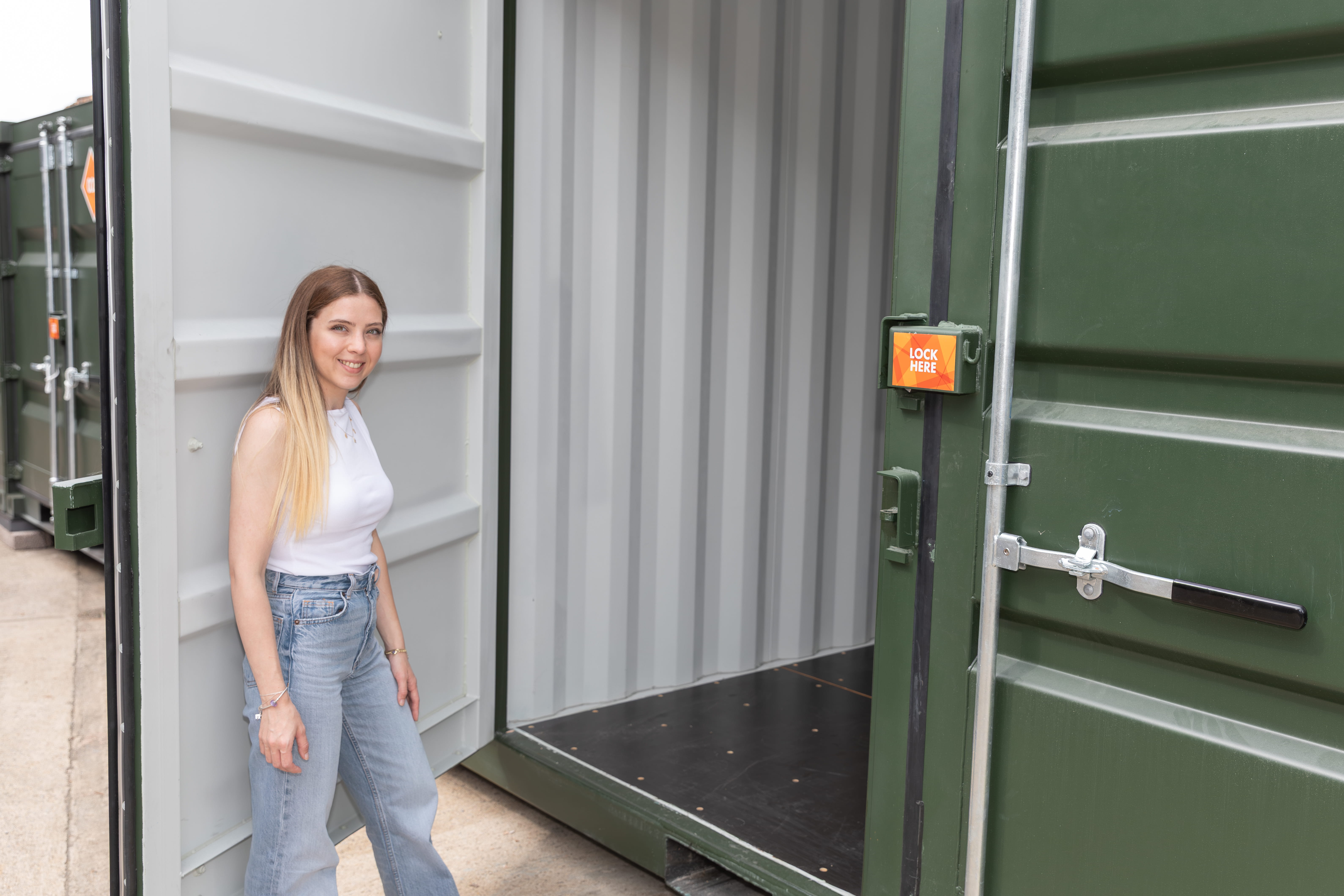
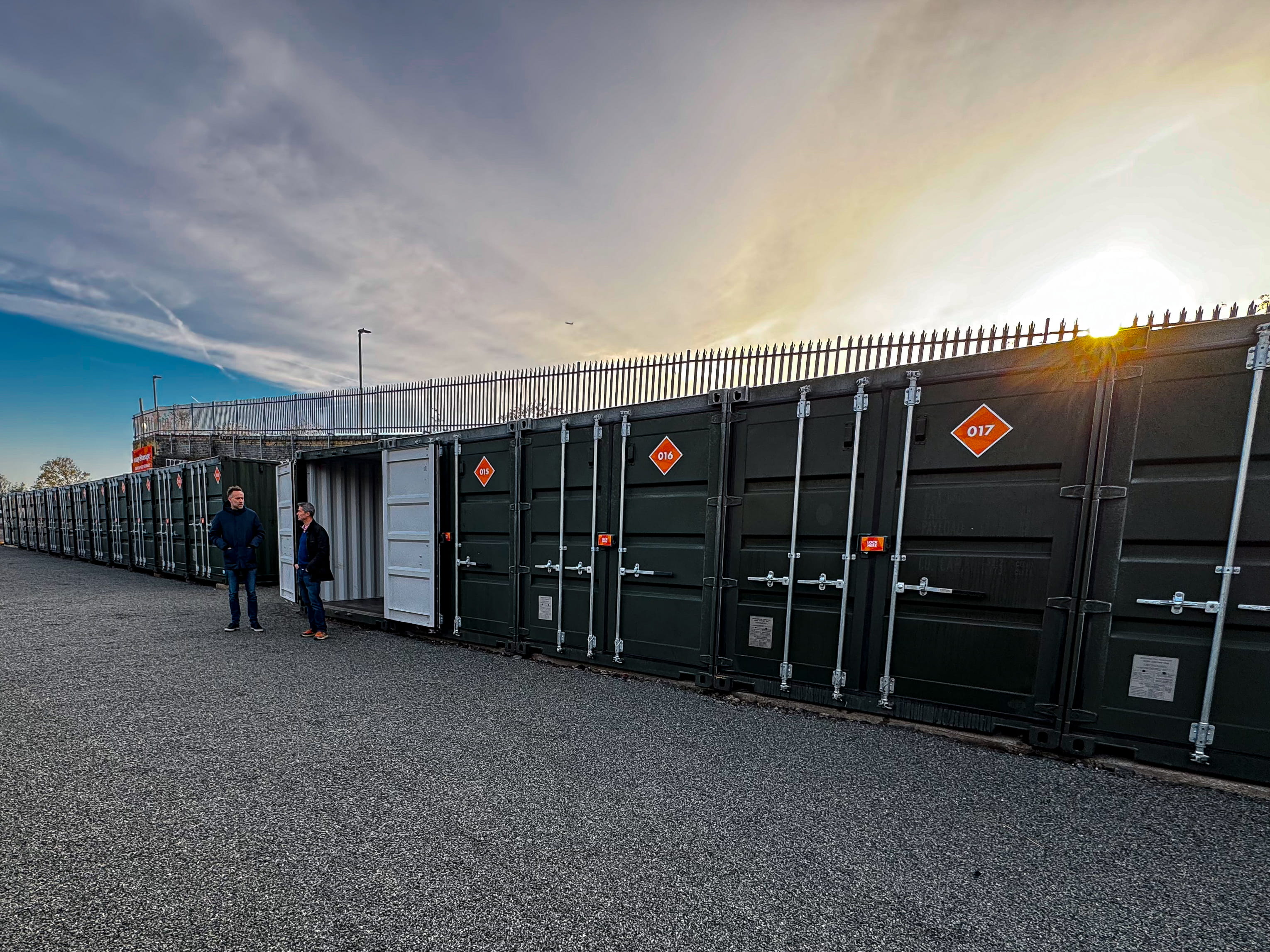
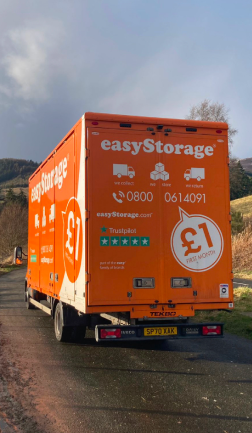
If you’re adapting space for someone with dementia, easyStorage makes it as easy as possible to put their things into storage long or short term, and even collects and delivers back belongings. It’s the care offered by our teams that makes us stand out – you can see reviews on TrustPilot – and we are proud of the care and empathy which our teams display – to say nothing of the permanently low prices made possible by our business model.
Moving into care
Moving someone into care is a tough decision, and at an already tough time the last thing people need to be worrying about is what to do with dementia sufferers’ belongings, especially if their home is being sold or rented out.
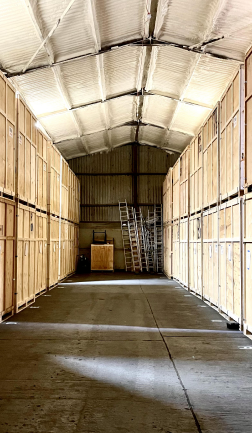
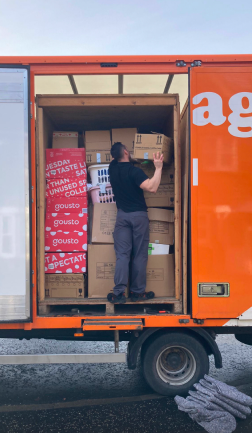
Self-storage can be a godsend at these times, giving families and friends time to deal with belongings later. easyStorage makes self-storage easier by collecting things from you (and, of course, delivering back).

Contact easyStorage
You can obtain a quote for storage, no obligation, either 24/7 via our website https://book.easystorage.com/ .
Alternatively, our team of understanding storage specialists is available to discuss your storage needs during working hours, again with no obligation, tailored to your needs and where you live – call 0330 065 9347.
Here’s hoping that Race Against Dementia can make a permanent improvement through its fundraising and research.
.png)