.png)
Tips For Making Your Move Green
For anyone in the transport and logistics industries being ‘green’ is a sensitive, almost taboo, issue. We’re immensely conscious of the impact that our business could have on the environment.
As a relatively new business in an incredibly price sensitive market, we have had to be pragmatic and follow heads rather than hearts on many things. For example, the cost of eco packaging is prohibitive for many for the kind of large scale moves or storage jobs that we often undertake, and we’ve had to chose what products to offer. When sourcing our vans, we looked at eco options, and in the same way as buying a Tesla would double or treble the costs of your car it would do the same to our vans – and in the process the cost of franchising through us would become prohibitive.
But this harsh reality doesn’t mean we don’t want to be greener, or aren’t trying.
Over the past year we’ve done lots of little things that we’ve been able to share:
· Commitment to continuous improvement;
· Helping our customers to save, rather throw away, decorations for Christmas and Hallowe’en and other festivities, saving on landfill and waste;
· Supporting ‘Zero Waste Week;
· Supporting Keep Britain Tidy’s Great British Spring Clean, becoming Litter Heroes for the day ;
· We try to reduce, recycle, and reuse where possible;
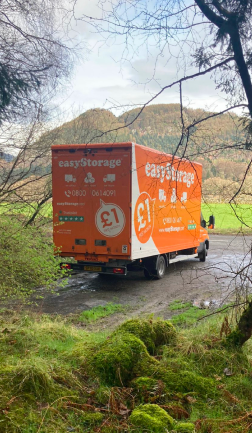
· We plan our routes to reduce fuel usage, which not only benefits us and our customers, but the environment.
· We help our customers pack effectively, and you’ll find many guides on our [packing blog https://easystorageboxes.com/blogs/news]
And watch this space – we have an announcement or two to make in the coming year. (Teaser alert! We’re bursting to tell!)
In the meantime, what can anyone packing for moving or for storage do to reduce the carbon footprint of their move? Here’s our five-point guide.
1. Declutter before moving
Simples – less to move means less impact. But that doesn’t mean throwing things away. Sell on what you genuinely don’t want or need. Give good quality items to charity shops. Advertise on your local Freecyle – you’d be amazed at how someone’s broken sun lounger can become someone else’s room divider or a base for a piece of artwork.
2. Add ‘replace’ when it comes to ‘reduce, recycle, and reuse’
Packing properly often means using good, sturdy, high quality boxes. But we often forget that we already have things that can be used for packing:
· Suitcases, briefcases, computer bags: How many of us have lovely leather suitcases that are no longer any use for travel because of their weight? Oh, and remember the days when people carried briefcases to and from work? And when you replace your computer, what are you doing with that computer bag? These are all great for storage, especially for things like old paperwork that needs storing for legal reasons, or the children’s artwork that you can’t bear to part with.
· Backpacks and holdalls: Even with broken straps, these items can be used for storing and moving - although our advice is to cut off any broken straps (without breaking the integrity of the holder, of course). Or tape them down firmly. That way no-one will try and lift or carry them inappropriately
· Vacuum bags: do you still have vacuum bags for long defunct vacuum cleaners? Great for holding little things like nails, screws, beads together as they’re generally strong.
· Baskets and hampers: mostly every bit as strong as cardboard boxes, and far more attractive! You may want to line them with a towel or tea towel/cloth first, but generally a great way to move or store. Keep an eye out out for wet or rotting wicker, though – this may well break if anything heavy is put in, and could introduce damp or mould to your storage unit.
· Use old blankets, sheets and pillowcases, towels or duvets to protect your goods – every bit as good as packing paper.
3. Pack efficiently
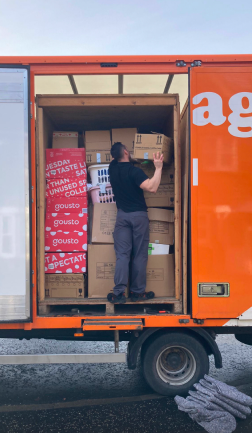
Keeping space used to a minimum will save you money as well as being greener! Stack saucepans- they normally fit into each other, leaving space for lids to be packed alongside. Pack big things first and fill in with the little bits. Put things, safely wrapped, inside other things.
Old newspaper is great for packing things like glasses. Old glossy magazines make great box lining.
Original packing is often the best for electrical items and large items if you’ve kept it.
We’re sure you can find a million ways to save space.
4. Reduce the number of trips you make
Getting a move of any kind completed in one trip is far better for the environment and less stressful, so plan those trips to the recycling centre, to charity shops etc.
And take a reality check. There are very few people who need 24/7 access to their goods. We’re conscious that the lack of constant access can sow seeds of doubt in people’s minds as to whether to use easyStorage. Statistics show that most people will access the units just a few times a year, and with the tiniest bit of planning (a bit of forewarning for us to deliver back) you could be saving money, have someone take your things and bring them back to you and being greener than constant trips to the storage unit!
5. Don’t throw away boxes after a move
If you’re packing for a move rather than for storage, pass your boxes on to another mover in need. (Why not ask for a small donation to an eco-charity in exchange?)
If you move well, and seal boxes using a good quality tape your boxes should be reusable several times over.
Of course, once they have reached the end of their useful lives as packing boxes, we’ve never met a cat who didn’t love an empty box, a child who couldn’t create a castle or den out of a carboard box, or a recycle station that wouldn’t take them.
Who said being green can’t also be fun?
.png)