.png)
Surviving small spaces
Magazines are full of glamorous pads with expensive furniture and priceless works of art, where most of us, in reality, live in far smaller spaces. Lockdown made ‘small’ really tough, with spaces having to do more than ever before, including working from home, a phenomena that looks as if it may be here to stay.
So here are our ten handy hints for making the most of what space you have, whilst still remaining sane. Remember that this is ultimately your home. If only one or two of these tips are right for you to you, we’re delighted that they helped. You have to live the way that you choose, not the way that some style guru dictates, so these are simply some collated ideas to help along the way.
1.
Try and put as much away as possible. Cluttered surfaces make spaces seem smaller and more ‘full’. Tricks include cupboards, baskets, and attractive stacked boxes.
2.
Use ‘double duty’ furniture where practical. An example would be sofa beds. These are great in spaces that are only occasionally used as bedrooms, but daily use becomes a chore when putting things away. If practical, think about a lift-up bed for storage as a space saving alternative. A kitchen island can serve as a food preparation area, a dining table and even a desk if pushed. A well-built storage bench can be a useful piece of seating as well as being an extra place to hide things. A coffee table that doubles as a cupboard or shelving can help maximise space. You get the picture!
3.
Think about what you can do without. It will be different for everyone, but places to start might be big pieces of furniture that could be replaced with small ones (like coffee tables replaced by side tables or smaller ones for example); books; CD collections; paperwork that could be held digitally; excess linen; outgrown toys.
4.
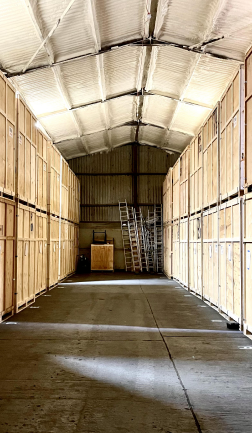
Use self-storage for what you don’t need all of the time, but want to keep. Examples might include: children’s keepsakes; essential business records or papers (shred and recycle the rest); seasonal clothing and sports gear; evening clothes; wedding dresses….
5.
A coat of paint in the right, usually light, colours will help make the space seem bigger. White is great for this, as it reflects light, and doesn’t clash with any mix of colours, and there are ranges of white paint available with coloured tints available for the more adventurous.
6.
Take advantage of kitchen wall space with shelves, spice racks, hangers for pans etc. The kitchen is somewhere you want everything to hand. Consider also folding tables.
7.
Sliding doors, wall space and landlords permitting, can also release up a lot of space.
8.
Space isn’t just about floorspace. Walls are spaces too: shelves, hooks, hangers and racks can help give ‘things’ a home. (Don’t go over the top or the space could look cluttered and feel confined.) Don’t forget that cabinets aren’t only for kitchens, and that nooks and crannies can be great spaces for shelving, and even small shelves can be useful.
9.
Try to create clearly defined areas. If a lounge is a lounge diner, for example, try and separate off the ‘diner’ area with, perhaps, different coloured walls or a rug. Screens can create attractive room dividers that can be pushed out of the way (and are particularly useful for hiding office spaces that you may want to leave paperwork out on: you don’t want people putting plates or mugs on top of your work or laptop, nor do you want a constant nagging reminder of your ‘to do’ list out of hours.) Creating separate areas will help resist the temptation to ‘dump’ things.
10.
Keep a space for storing pet belongings in one place, perhaps a box, rack or cupboard. This will stop Bonzo’s toy bones from tripping you up, and keep his harness and lead in the same place; kitty’s food, cat toys and catnip are easily to hand. It will stop pets from taking over, help you know where everything is, and the smartest pets will quickly learn where to find their treats and where the lead is to take you for ‘walkies’.
If you do decide to use storage, easyStorage would be delighted to offer you a ‘no obligation’ quote. You can even do this online: https://book.easystorage.com/
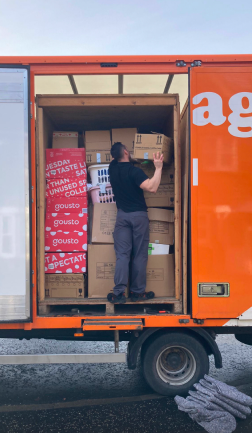
(easyStorage generally costs around half the price of traditional self-storage, and the company both picks up and delivers back your belongings, saving the cost and hassle of borrowed or rented vans.)
.png)