.png)
Stress Awareness Month: Reducing Stress Following a Death
It’s Stress Awareness Month, and it’s no secret that stress can not only wreck your emotional well-being, your physical health too. Stress, sometimes chronic, is common when grieving following a bereavement and can lead to a variety of physical and emotional issues, such as depression, trouble sleeping, feelings of anger and bitterness, anxiety, loss of appetite, and general aches and pains according to Harvard Medical School.
Stress levels can increase dramatically. The death of a spouse or partner and the death of a close friend are two of the eight most stressful life events. Life changes when someone dies, and the reminders and consequences can be constant.
According to the NHS, some of the most common symptoms of grief, which may come and go unexpectedly, include:
· shock and numbness (a ‘dazed’ feeling);
· sadness – sometimes overwhelming - with lots of crying;
· tiredness and/or exhaustion;
· anger and/or guilt.

Between these powerful emotions and sometimes an accompanying trauma people often feel ill-equipped to manage. Life changes when someone close dies, and change, even without the accompanying grief, can be hugely frustrating and stressful.
And it’s not only our own emotions that take a battering. Common sources of stress and pain after the death of a loved one include family conflict; alienation from family and friends, sometimes simply because they don’t know what to say or how to act and so avoid; and hurt feelings among family and friends over funeral arrangements, bequests and more.
As if that emotional pressure keg wasn’t enough, there are also pressures on individuals to ‘get over it’, to offer support to other members of the family and friends, and to step up and take on new roles including all the paperwork and administration that needs to be dealt with.
Eliminating unnecessary responsibilities and tasks can be a good strategy for helping cope with the stress surrounding a death. It’s often said that the three D’s’, death, divorce and disaster, are the main reasons for people using storage. Consequently at easyStorage we are well aware of our role in making life easier. This may be:
· Allowing a house to be cleared when someone goes into end of life care or a hospice, for the house to be sold or rented;
· Putting things into a safe, ‘neutral’ space whilst probate is sorted;
· Giving the bereaved a breathing space to not sort out possessions of a loved one immediately. This can prove invaluable at a time when everyone is grieving and upset, and there are a huge number of other practicalities to sort out at the same time as organising a funeral.
easyStorage franchisees are chosen as much for their ability to empathise as for their business/operational skills. And easyStorage has even joined the NAFD, the National Association of Funeral Directors.
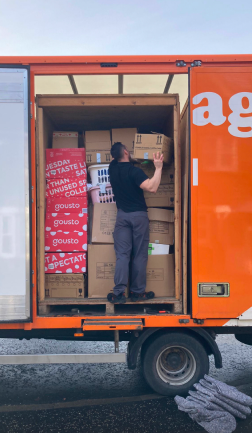
We can’t pretend that we at easyStorage can take the grief away, or eliminate stress completely, but we can at least offer a compassionate, friendly, efficient service, at around half of the price of traditional self-storage. Moreover, easyStorage both collects and returns your goods, taking one more thing off that to do list, and we are confident about the professional approach of our teams.
There’s no nice way to talk about death and mourning and the consequent stress, so don’t forget to access advice that's out there, reach out and ask for help when you need it.

.png)