.png)
Self Storage for Seniors: It's the Retirement Revolution!
Retirement brings major life transitions that can often benefit from using self storage services. As daily routines change, downsizing homes, travelling more, or decluttering become common needs where storage can provide practical solutions.
Downsizing to a Smaller Space
One frequent retirement transition is downsizing to a smaller home that better suits changed needs. With children grown up and moved out, retirees may no longer require larger spaces. The extra bedrooms, large yards, and ample storage areas that served a family may now feel burdensome.

What to do with furniture?
Determining what furniture and belongings should be kept, sold, donated or discarded when moving to a smaller home can pose substantial challenges. Each item contains memories and sentimental value that can make it tough to part with. But trying to cram a lifetime's accumulation into a downsized house is impractical.
Self storage allows retirees to thoughtfully evaluate possessions and gradually move extras into a unit. This takes the pressure off deciding the fate of every last item before the move date arrives. Prioritising core furnishings for the new home while temporarily storing secondary items provides needed flexibility.
Extra furnishings like guest room beds, bulky objects such as pianos, and infrequently used items can slowly be moved to storage. This clears space in the current home to better assess what will reasonably fit and be useful in the new setting. Rushing to sell off furnishings is avoided until completely sure what is still needed.
Document and File Storage
Vital documents and files require secure storage during a move. Keeping these organized rather than hastily packing them saves hassle later. Items with sentimental value like photo albums or family heirlooms can also be protected from damage by storing them properly.
Staging belongings into storage over time allows each carload to focus on transporting essentials for the new home. With non-necessities already safely stored, setting up the downsized residence can proceed at a measured pace. There is no pressure to make everything fit perfectly all at once.

Storing Belongings Whilst Travelling
Many retirees find this life stage finally allows time for extensive travel and potentially living abroad. However, completely divesting oneself of a household in order to travel freely can cause difficulties in resettling back home later. The idea of returning after years away to an empty house with no furnishings or even basic household items can be daunting.
Protecting Possessions
Self storage conveniently allows retirees to keep their core possessions protected while traveling long-term. Furniture, household goods, vehicles, family heirlooms and other valuables can be stored securely until returning. This provides continuity and stability for reestablishing the home after travel concludes.
Storage also allows household items to be kept conveniently accessible if needed. For example, extra seasonal clothing not needed for the trip destination could be stored and swapped out upon returning home. Or keepsakes from overseas adventures can be deposited into storage periodically while travelling. This avoids lugging bulky items for the duration of the trip.
For extended travel, one or two 35 sq ft storage units often provide sufficient capacity for belongings, depending on household size. It's important to thoroughly inventory all items before storing them, with details like box contents and furniture attributes. Storage providers with robust security protections are ideal, as possessions may remain for years.
Other key benefits include keeping furnishings safe so households are not empty upon return. Long-term storage also protects vehicles from damage or deterioration from sitting unused. Valuables can be insured when kept at reputable facilities for added peace of mind.
Free Up Space in Your Home
Later retirement often provides the time to finally tackle decluttering or renovating the home after years of accumulated possessions. Self storage can assist in this process by offering space to clear out clutter while reclaiming rooms for new purposes.
Decluttering
For example, children’s bedrooms piled high with boxes of memorabilia can be converted into guest rooms, offices, or hobby spaces. This becomes possible by packing up outdated furnishings and bulky collections for storage offsite. The same approach can transform cluttered garages crowded with tools, sports equipment, and boxes into clean workshops or additional storage areas.
Attics and basements overflowing with files, holiday decorations, and other items from a deceased spouse may cause continual stress. Attempting to sort through decades of accumulated belongings while still amongst the clutter can feel overwhelming. Self storage allows methodically organising these possessions out of the living space, while still keeping them accessible. Items can be retrieved from the unit later as needed.
For decluttering purposes, smaller storage units often provide adequate capacity for boxes, decorations, and knickknacks. Carefully inventorying the contents and dates of stored containers helps keep them organised. Stackable plastic storage bins help protect fragile heirlooms and delicate items.

Container storage
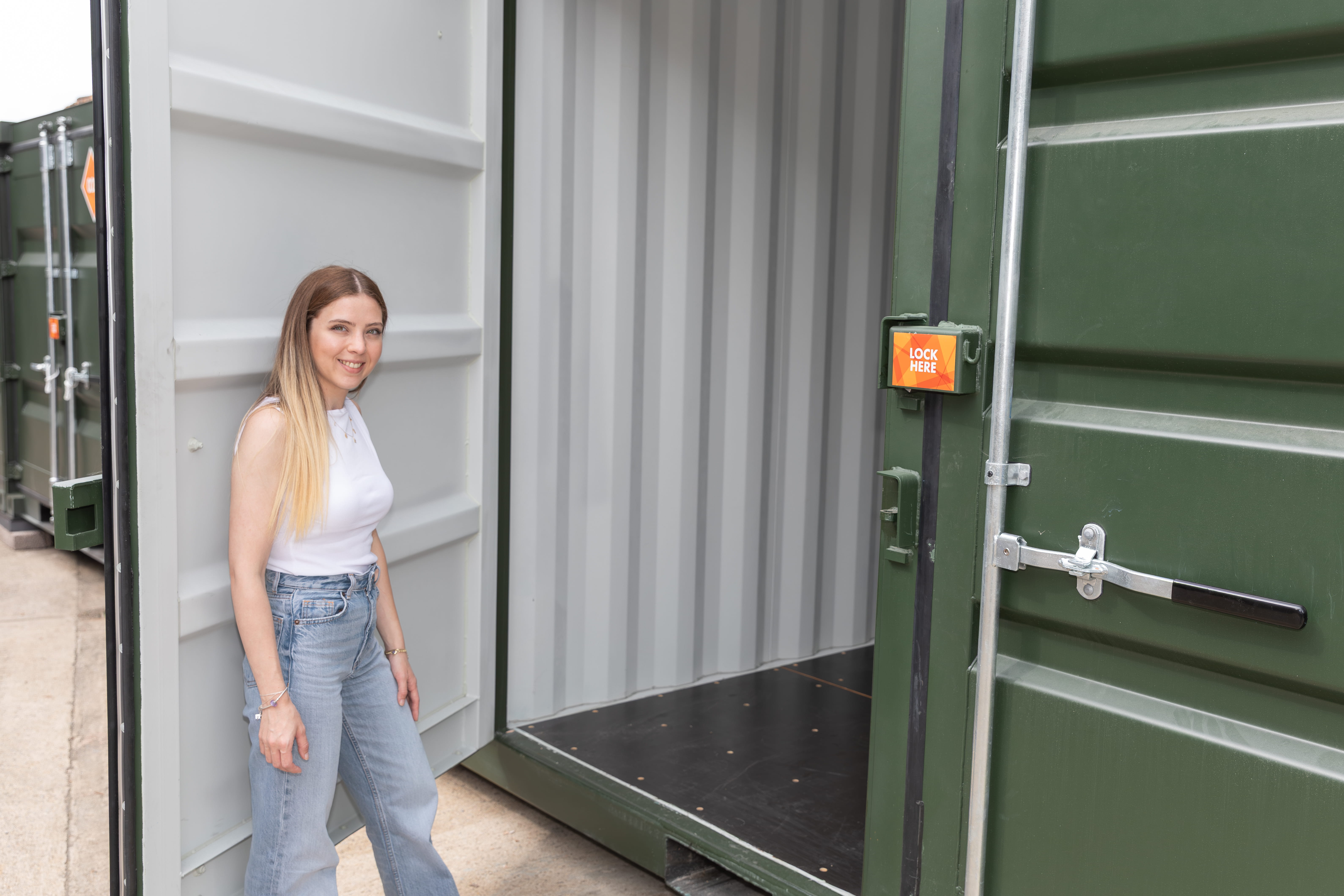
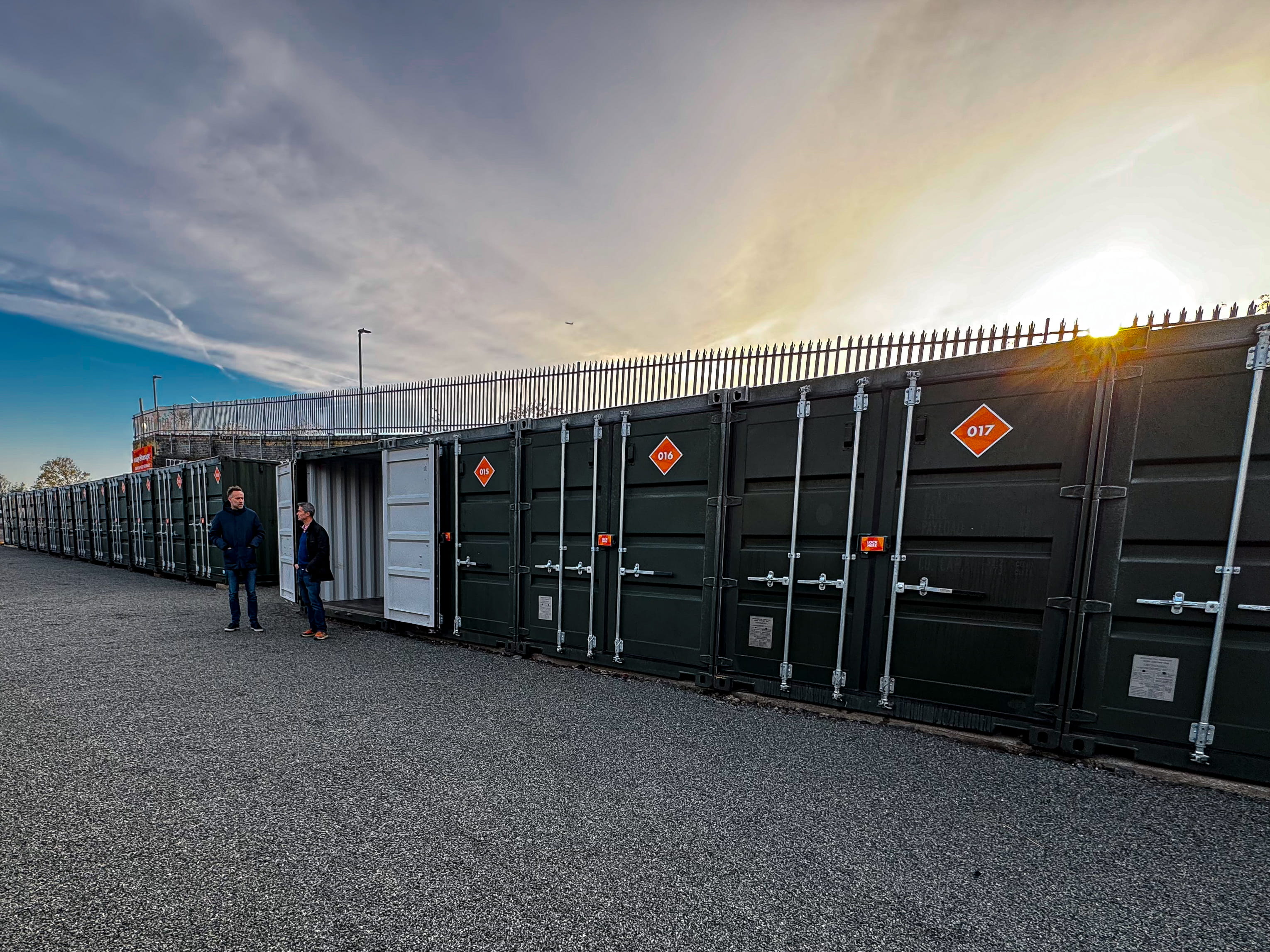
Some retirees may prefer using portable container storage vs a traditional self storage facility. Containers allow decluttering the home first, then loading possessions directly into a pod parked onsite. It can then be picked up and brought to a secure warehouse for storage. This method avoids multiple hauling trips after decluttering.
Self storage can smooth major retirement transitions like downsizing homes, travelling extensively, or repurposing living areas. With people in the UK today likely to spend 20-30 years in retirement, safely storing belongings allows flexibility in this new life stage.
10 common FAQs about using self storage in retirement
1. How much space will I need for storing my belongings during retirement? This depends on your specific situation - downsizing a 5 bedroom house may need a 10x20 unit, while a small apartment may only require a 5x5. Assess your needs and start small if unsure.
2. What are the costs for self storage units? Expect to pay $50 - $200+ per month depending on unit size. Climate controlled units cost more. Ask about any discounts like multi-month or senior rates.
3. Should I choose climate controlled storage? This is recommended for protecting furniture, electronics, artwork and other items sensitive to humidity, heat and cold. Non-climate units are fine for more durable items.

4. What storage features protect my valuables? Look for units with individual door alarms, secure perimeter fencing, video surveillance, coded gate access and site managers on duty.
5. How do I choose the right storage company? Read reviews, ask for referrals, ensure they offer security protections and insurance options. Visit the facility to view cleanliness and security measures.
6. When should I reserve a unit - before or after downsizing? Reserve 1-2 months prior to your move date to ensure availability. But don't take possession until ready to begin gradually downsizing belongings.
7. What paperwork or ID is required when renting? Most facilities require a photo ID and documentation establishing your current address. Some may also run a credit or background check - not easyStorage though!
8. Can I access my unit anytime? Self storage facilities typically offer daily gate access hours from dawn until dusk. Extended or emergency access may be available for additional fees.
9. Do facilities require rental insurance? Purchase of basic rental insurance is mandatory at most companies to cover your stored items. Additional insurance can also be bought.
10. How do I maintain my unit? Keep an inventory list updated, use clean storage boxes, and inspect your items monthly. Alert staff about leaks, pests or other issues needing maintenance.
.png)