.png)
Say Goodbye to Winter: easyStorage's Top Tips for Storing Your Knitwear
Here’s the easyStorage ten step guide to keeping knitwear looking great whilst it’s tucked away for the summer. (And, as a bonus, keeping them looking good is good for your pocket!)
1. Gather your jumpers for packing
Gathering together all of the jumpers you want to pack will do two things for you. First,: you can combine cleaning loads and can see what size box you’ll need for packing. (As a bonus you may even remove duplicates and declutter.) If you also have woolly scarves and gloves you may want to include them in the packing project. They can make good space fillers and you’ll want them back out at roughly the same time.
2. Select the box
Pick a strong clean packing box of roughly the right size and have it ready for packing.
Don’t be tempted to store in plastic packing boxes which will hold in any moisture and encourage mould and/or bad smells.
3. Clean the jumpers
Even if your sweaters look clean, tiny particles of skin, and even food, may be present but invisible to the eye. If left, these may develop into stains or attract moths.
Look closely at labels for washing instructions, which will vary according to fabric, fibre treatments, embellishments, fastenings and weave. Ignoring the care label may result in damage, so try to resist the temptation to stick the whole lot in a washing machine at the same temperature.
Knitwear will, however, generally fall into three cleaning categories: hand wash, machine wash, dry clean. As much as you can, follow the instructions carefully. They are there to maintain the condition of your jumpers, and there’s nothing that ages a sweater faster than bobbles or matting.
A delicate wash removes stray hairs and can help prevent pilling. Fibres knit together if the fibres get damp or rubbed, and a gentle wash may just put this right – it only needs a five-minute soak in warm water with a minimal amount of a non-bio detergent, and then some gentle rinsing and squeezing.
If something’s machine washable, think about what you’re washing it alongside (think colour bleeds or embellishments that might catch) and aim to minimise wash time to avoid rubbing and pilling. Cold water reduces the chance of shrinking or fading knitwear, and can reduce wrinkles, which removes some costs and risks associated with ironing.
If you have jumpers for dry cleaning, keep an eye out for offers at this time of year, when there are often discounts for multiple pieces to be had. Dry cleaning is generally far gentler on the fibres than washing.
Steam cleaning is an increasingly popular method. Whilst frequent washing can cause damage and fading, steam cleaning is a great, gentler, way to keep knitwear fresh in use, it’s better to have a thorough clean before storing.
4. Dry carefully
Best practise is to gently pat the knitwear to sop up moisture. Then lie it flat to dry, away from strong sunlight which can cause fading. Hanging it can cause it to stretch or adopt the shape of the hanger, leading to misshapen shoulders.
To dry flat, lay the garment on a towel. Roll the towel up and press out excess water - carefully, of course. If you don’t have a drying rack, lay the garment flat on a towel to dry. Even if you do dry it on a rack, place a towel underneath to create a base and prevent lines and creases. It will avoid you having to spend time reshaping with an iron (or steamer).
Make sure the article is properly dried before packing away or you may well end up with mould.
5. Defuzzing
Some services exist to clean, repair and depill knits for you.
Other, more common, solutions to pilling include de-fuzzing combs, or even a battery operated fabric shaver. With care, of course.
6. Should I use a sweater spray?
We shouldn’t forget that, even if they contain antiseptics or disinfectants, sweater sprays are liquids and should be dried out before storing.
Perfumes can cause a slight weakening of silk and cotton fabrics. They can also cause discolouration.
Our recommendation would be that if the lovely smell of freshly cleaned clothes isn’t enough, scented sachets, cedar chips or nice smelling paper wrapped soaps, like lavender, are a better alternative.
(Moth balls have enough concerns raised about their effects on health to make us reluctant to recommend.)
7. Ironing
To help stop creases setting in, iron a sweater - from the inside. Use a slightly damp towel or cloth to avoid the iron creating ‘shine’ on the sweater.
8. Close fastenings
Before packing away, do up any buttons, poppers, hooks and eyes. These will both help the garment maintain its shape and avoid catches.
9. Folding and Packing
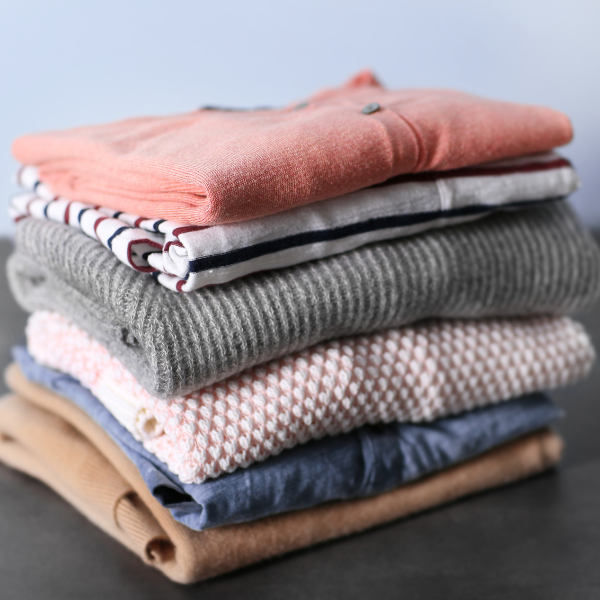
Cotton and linen both crease easily and wool-knit items gobble space if rolled, so always lay out and fold.
Use white tissue paper to line delicate fabrics to help prevent harsh folds, and over decorative additions like beading or sequins to protect them and avoid catches.

10. Group fabric types for packing
Place heavier fabrics at the bottom of the box to avoid weighing down delicate, light fabrics like cashmere, which should be loosely packed towards the top.
And finally….
With the great British summer being so short, it will only be a few short months before you see them again. But following these ten tips should ensure that knitwear both lasts and looks great when it comes back out.
If you’re looking for storage space to keep the box of knitwear, and other items for storage, call the easyStorage team of storage professionals on 0333 344 1938. They’ll be able to give you details of one of easyStorage’s fabulous offers on storage near you.


.png)