.png)
Making Space for Mobility
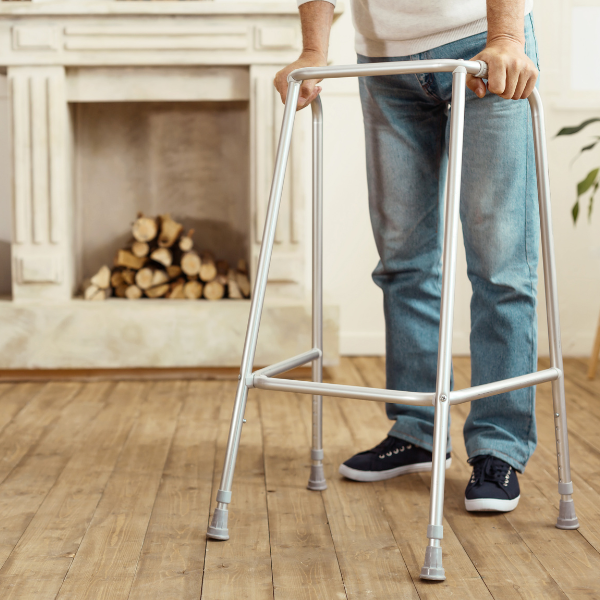
Wheelchairs. Walking frames. Breathing apparatus. Easy lift armchairs. Crutches. Scooters.
There is an incredible amount of gadgetry available to help with mobility, but simply buying a gadget doesn’t make us mobile. Our homes need to be adapted to allow us to take advantage of the equipment, often a complete job in its own right. From moving a bed downstairs to avoid having to use stairs, to bedside breathing apparatus, our challenges are unique to us, our level of ability, the help we have, our finances, and the homes we live in.
So how do we make space for this new era in our lives, one that needs us to consider our environment carefully in order to remain mobile (and safe)?
There is a lot of advice on the internet about designing or adapting your home to make it, for example, wheelchair friendly, but little about managing what’s already there.
At easyStorage we like to believe we’re good at helping people make the best of the space they have, so making space for mobility is an extension of that. Indeed, we’ve often been called on to store things for people with family members home from hospital to convalesce.
So here’s how we’d approach it, in the hopes that something may resonate for you.
How do/will you want to use spaces?
Firstly, take a look at what spaces you have and which you use the most. This is likely for most people to be bedroom, bathroom, lounge and kitchen, for example.
· How are or were you using each of these important spaces before?
· Does your mobility level allow you to continue doing the same things in these spaces? (You won’t need spaces for things that you can no longer do if the mobility aids are now a permanent fixture..)
· Will you need to do new things in these spaces, such as exercises?
This, and we’re certain a million other questions, will help you develop a mental picture of how you will be using these spaces with any mobility aids.
(NHS and local council professionals may be able to offer advice based on other people’s experiences (and may even be able to suggest further equipment to help.)
What equipment is needed in these spaces?
Start with need – what furniture and equipment is essential in the room you’re looking at.
For example, you may have a bath in the bathroom, but really need a shower and shower chair. You may need alarms.
Don’t just think of things that are in them permanently like hoists. Consider things like wheelchairs or walking frames that you may want to roll in only when you’re there. And do you need space for an extra person to be in the room with you, for example to help you bathe or use the toilet, or to service vital apparatus.
Being brutally honest with yourself not only about now but what your needs might be in the mid-term. From grab bars to ramps, what will these things mean in terms of available space? Planning now will mean that you only have to make minor adjustments once you’ve have a big clear-out to make space for ease of mobility.
Who else uses the spaces?
Visitors can take you as they find you, but if you have someone else (or ‘elses’!) living in your space, what are their needs?
And what about a ‘something else’, like a pet or working animal?
Maybe you have people in regularly to give pottery classes or host a book club. How will they be affected and how can they be accommodated?

What can stay and what must go?
Having thought your current and mid-term needs l through carefully, you’ll need a plan to get from where you are now to where you need to be.
Call in favours to get family, friends, even removal professionals, to help you move things around.
But before they arrive, it’s time for a massive clear-out. Make sure you’re not just looking at small things: look at suites of furniture that are too big to allow comfortable access, at trip hazards like rugs, at lights at the wrong level etc.
Take a long hard look at what’s in the room and if it’s never used regularly or you don’t like it, it’s time for you to say goodbye – sell it, donate it, recycle it, but don’t keep it if it’s not necessary.
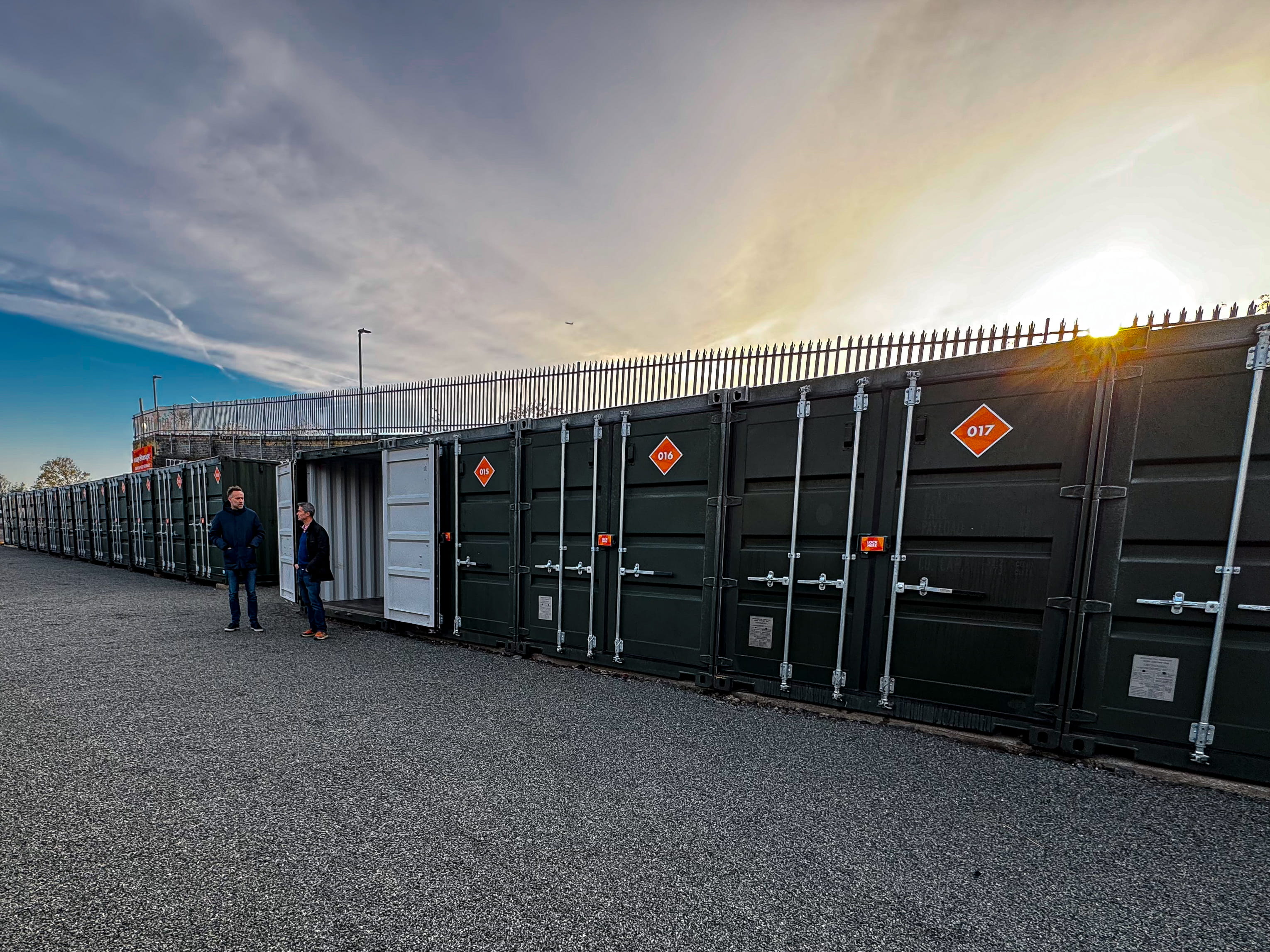
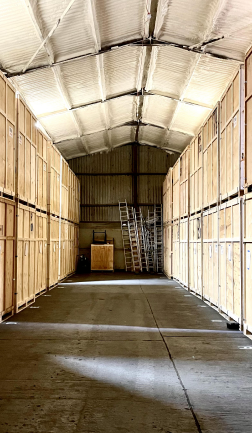
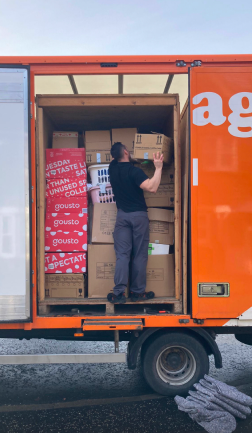
You can always look to temporary self storage like easyStorage to hold onto things you value but can’t have around because they are fragile or don’t fit. Big sofas, part of suites, for example, can be stored to keep the set together but leave more space. easyStorage will even collect your things and return them when you’re ready.
Once you’ve decluttered and worked out what you need, simply rearrange what’s left, and enjoy the extra freedom your mobility aid has given you. So simple to say – and with a little help and planning, also easy to do.
.png)