.png)
How to Compare Self Storage Options
With a wide range of storage options available, it can be confusing working out what you need and what it’s really going to cost you.
What are the self storage options?
In the UK, you have four primary options (plus the possibility of storage by removals companies, excluded here as it’s very specific, and generally uses one of the other four options anyway):
Informal Storage
Friends, families, garages, temporary storage in the garden and the like
Self Storage
Usually in a centrally located place, self storage gives you your own storage space (usually a room). Sometimes called peer to peer storage.
Mobile Storage
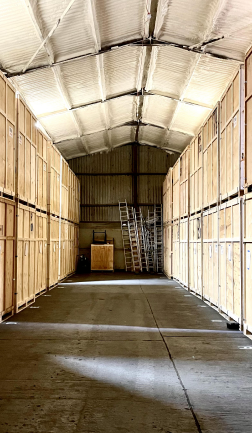
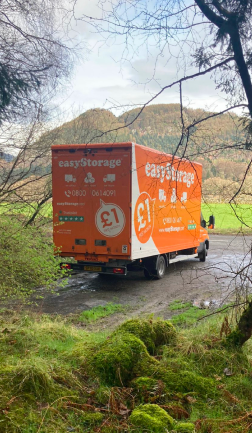
This is where the storage unit comes to you for filling and is then taken away to a secure location for storage.

Self managed storage units
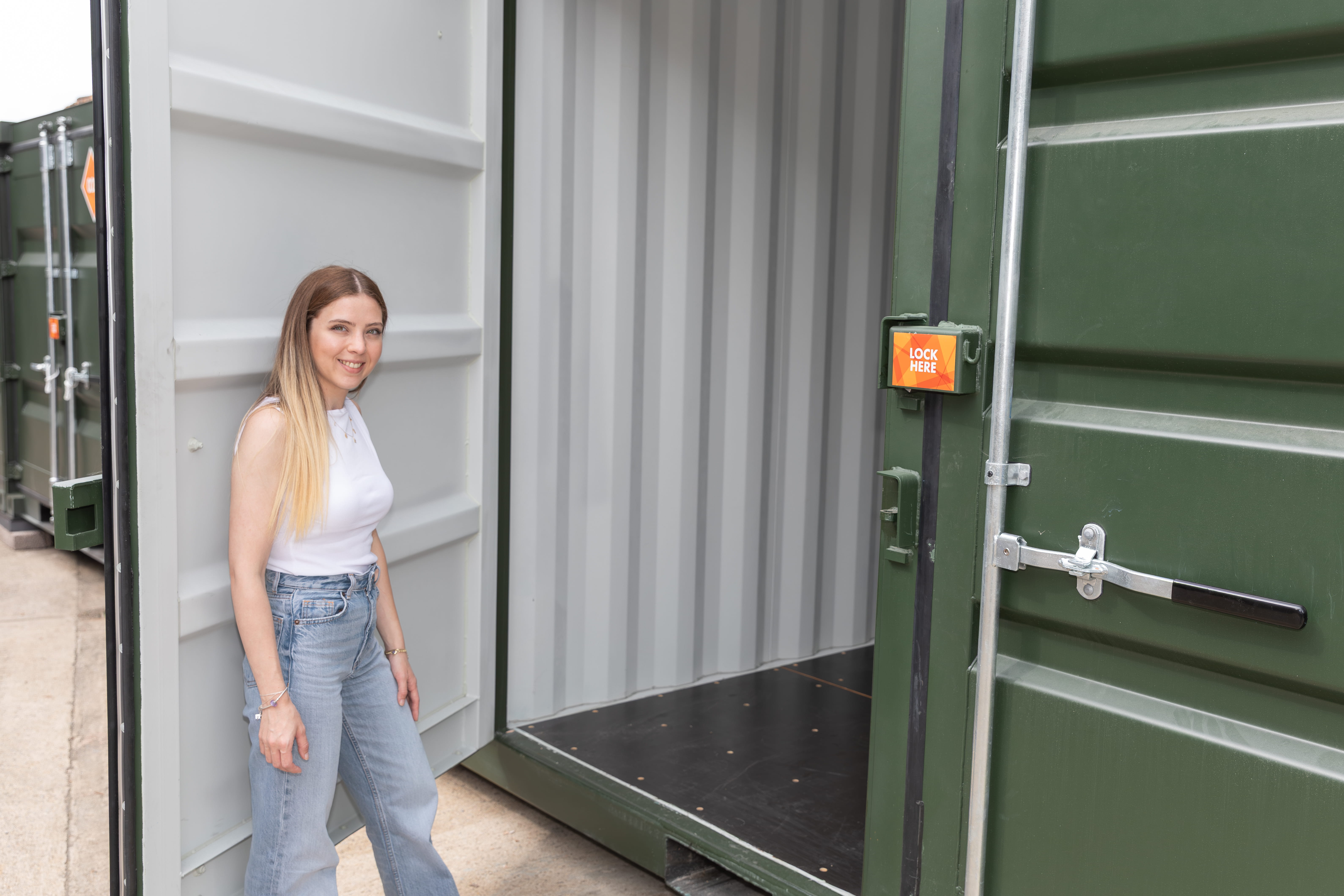
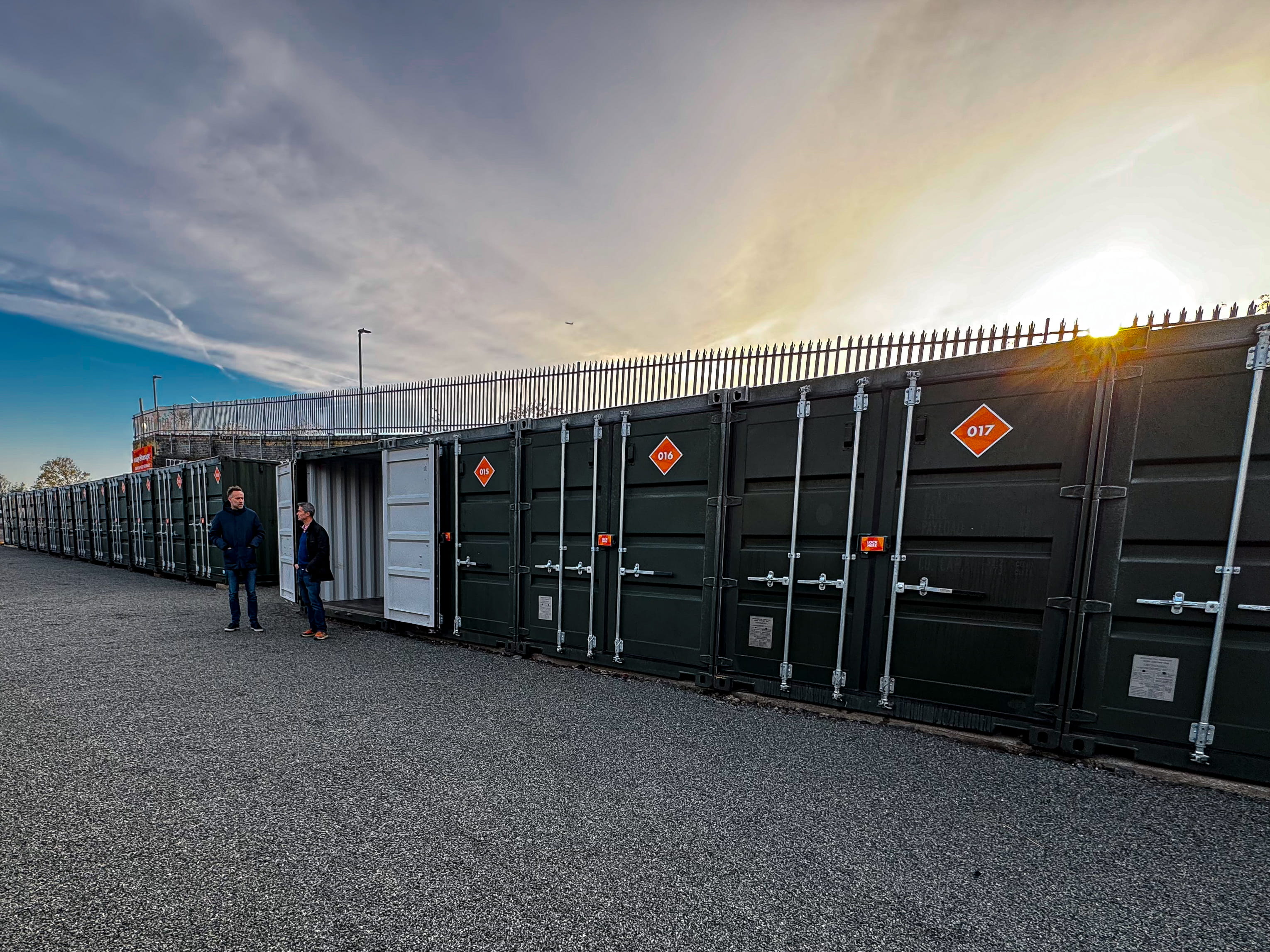
This is either a space the user owns themselves or container type units.
With a wide range of storage options available, it can be confusing working out what you need and what it’s really going to cost you.
So what are the considerations?
Packing and moving into a storage unit
- Informal storage requires you to pack and move in your own goods. Factor in the cost of hiring a van, or the time needed to do it yourself/with friends and family.
- Self storage requires you to pack and move in your own goods. As with informal self storage, factor in the cost of hiring a van, or the time needed to do it yourself/with friends and family.
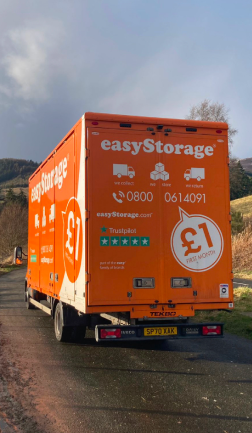
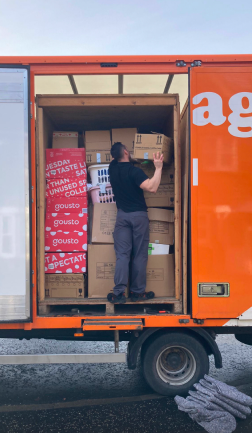
- Mobile storage units collect from you, for which there is usually a small cost. As someone else is managing moving your things, they often (like the easyStorage service) offer a packing service as well.
- Self managed storage units require you to pack and move in your own goods.This option is great for large quantities of goods, like large businesses, who can employ people to manage the facility, insurance, access etc..
Security
- Informal storage units like garages are generally insecure - attics and spare rooms are as secure as the house they are in. Although there are things you shouldn’t store, no-one will check unless there’s suspicion of something illegal being stored, in which case expect a visit from the police. Whilst you may not want to store any such things, you have no influence over what's stored in adjoining units. According to ComparetheMarket, one in four (27%) garage owners and 16% of shed owners in the UK have been burgled, with non-connected buildings being most targeted.
- Self storage units are usually in very visible, easily accessible locations such as the outer areas of town centres. They usually have security arrangements such as key codes. Most are open to storers/ the public during the day and relatively easy to access. Some put a security officer in place. Others may change key codes regularly. It is best to ask about access and security before securing a unit. You may also be expected to purchase padlock from the unit owners *sometimes at inflated prices - beware!). Most self storage units have rules about what can and can’t be stored as part of the contract that storers sign. Different units have taken different measures to control crime - it’s worth asking unit managers what security they have in place.
- Mobile storage units come to you to collect and take your things to a generally more remote location with little or no access to the public. Their location will usually not be publicised, although you’ll know where your goods are, and are often in cheaper, out of town, locations. This means there is little ‘nosey’ footfall, looking around the unit, and that the locations aren’t always obvious. Because of this and limited access, most will ask you to advise them in advance before taking out goods, which means a little forethought. easyStorage also seals the easyPods it stores things in upon collection, meaning it would be hard for a storer to sneak in any prohibited items (liquids, explosives etc). The goods can’t then be accessed until returned to their owner. (But even with mobile storage it’s worth asking security questions to reassure yourself.)
- Self managed units are as secure as you decide they should be - they vary hugely, often according to what is being stored and the manager’s skills/importance placed on security.
Access
- Informal storage units have as much access as arranged - if the storage is someone’s basement or attic, you are only dependent on them for access. If it’s a garage and you have the keys, you can access it whenever you want. (Could someone else as well?)
- Self storage units have varying rules - make sure you ask when signing up.
- Mobile storage units bring your goods back to you, so logistically they may often need a day or two to organise this (van availability, drivers, loaders, building access etc). However, with notice for some of the same reasons, you may be able to visit the unit in which your things are stored. This will almost certainly be accompanied by unit personnel.
- Self managed units usually have whatever access you decide. However, in some locations, there is a further level of access to consider. For example, some industrial units have security passes or checks outside of working hours. Some rural locations have gates closed and locked at night. Others may have passcodes to enter and leave. Check when signing up to use the space.
According to self storage industry figures, only 23% of customers access their storage unit more than once per month, a figure that reduces to 13% when considering purely domestic customers. Less than one in five of all storers access their storage units once a week or more.So think about how much access you genuinely need before selecting 24/7 guarded access or constantly changing key passes - these things are great if you need them.but come at a price.
Other considerations:
- Building and management costs if you are running a self managed unit. WE highly recommend a business plan to see if the cost is justified.
- The need for van hire or borrowed vehicles to store and collect things
- Insurance - most types of storage will need insurance on top of their basic insurance which covers you mostly for damage caused by the unit/its personnel rather than protecting your goods if you’ve accidentally introduced something like mould or damp
- Manpower (or womanpower, of course) to move things
- Packing goods like boxes, paper etc, although few, if any, will insist on you using theirs.
- Mileage
- Online reviews and recommendations
And once you are happy with all of the above and understand what extras might be incurred, the big one……
Price
We’ve indicated above some of the hidden/likely costs that may come with each type of storage. It’s a big, but obviously not the only, consideration.
For an easyStorage quote, call 0330 165 9347 where the team will be able to offer you the best package for storage where you are, or you can use our online quote service 24/7 - it even has a space calculator!!
Note that in some areas, easyStorage offers container storage and archiving services in addition to mobile storage.
.png)