.png)
Eight Easy Ways to Encourage the Kids to Declutter
Easter break. A perfect time to get them decluttering. But even the thought of it is enough to turn some parents to jelly.
The trouble is that if we don’t encourage children to declutter, or do it ourselves, we’re denying them an invaluable life skill, and making a rod for our own backs.
So here at easyStorage, we’ve collated a list of tips to help – some will be right for your child, some won’t. Pick the suggestions(s) that work for you.
1. Attention Span
Children have an attention span of three times their age plus or minus five minutes. Including teens! Don’t expect them to do everything at once.
2. Bribery and Corruption
OK, let’s call it rewards for good behaviour rather than bribery, but in the absence of a child (or teenager) who always, cheerfully and uncomplainingly, does everything asked of them, an appropriate reward system can work miracles.
From the teenager who loves pizza, festivals or the cinema, to the little one who adores Peppa Pig or is motivated by stickers, a little reward can achieve what logic and pleading can’t.
Don’t be tempted to give the reward if the decluttering hasn’t happened – it might rid you of grumbling short term, but you’ll be making a rod for your own back when you ask them to do something later.
3. KISS – Keep It Simple Silly
Be realistic. What can your child really achieve in the time available (see attention span, above).
Break down the tasks for completion on different days if you need to.
4. Explanation
Choose your moment and explain how clutter can make you feel (stressed, uncomfortable, guilty, unhappy). [inset link if already published – stress and decluttering for stress awareness month]
Explain the advantages of having a clearer space – less time needed to clean, money from selling things on, space for new things, not living in the past. Whatever resonates with you and your child is helpful – and some younger children, in particular, love to help out with grown-up’s tasks.
Unfortunately, there’s no blueprint for this. The only correct ‘answer’ is what works for you.
5. Negotiation
Some parents are absolutely ‘black and white’ about rules, others allow a little wriggle room. Only you know what’s right for your situation and parenting style.
However, when it comes to their own things, you may have to negotiate emotional ties. For example, if a child has two of something, rather than simply throw one away, involve them in the decision.
For many youngsters, of whatever age, being able to negotiate keeping what most matters to them is going to give you an easier time long term – especially when it comes to the next time you want to declutter.
It gives them a sense of control when parting with things they’ve been attached to and used to having around.
Be prepared that your child may be more attached to, for example, their free McDonald’s Happy Meal toy than to their hugely valuable Steiff bear – it may be you who has to demure and hide the bear in your own wardrobe. You gave them the choice!
6. Budding Car-Booters
Car booting. Selling online. Whatever works for you and your child, selling things on may appeal to some children - especially if they are allowed to keep all of the money.
The added bonus is that they may gain extra life skills. Watch carefully though, especially with younger children.
7. Gift Giving
Children who would give away everything to make others happy aside, sometimes explaining that the items we no longer need or want can bring joy to others.offers great motivation for them to give to friends or to charity shops as part of the declutter, in particular to younger school aged children.
8. New Rules for Keeping on Top of Clutter
A few rules to bring into your lives after the declutter which may help going forward include:
· One in, one out. Particularly loved of boaters, who tend to live in smaller spaces that need keeping spik and span, every time a new toy/item comes in, one has to go out. They can choose, but it works to keep clutter to a minimum.
· Stuffed toys: They’re only allowed to keep what’s on their bed. (Be warned, however, that for some children this rule just encourages them to cover their bed totally in toys.)
· Spaces for storage: every day, once a week, whatever works best for your way of life, a quick tidy up, putting things into the right boxes, can help keep things tidy. Some people have a daily rush around for five minutes before or after dinner. Others use music (example, Clean up the House), dance breaks, takeaway parties….
· See bribery and corruption, above: star charts, pocket money based on rewards, extra privileges – all can work, depending on your child and style of parenting. Experiences rather than ‘things’ have the advantage of not adding clutter.
· A ‘special basket’ in their own room: doesn’t have to be a basket, could be a plastic or wooden box, but allow your child a place to put the things that really matter to them, like special birthday cards, friendship bands from friends, baby toys they can’t part with. You are not allowed to declutter these things and they are not allowed to overfill. (Once full, see one in, one out, above!)
· Organisation: do you have fixed spaces for doing homework or crafts, or for keeping sports gear? If not, could you?
· Artwork: Keep artwork on show for a fixed amount of time (a week?) and then take photos before throwing away – you still have the artwork, just in a tidier format, without damaging your child’s self-esteem. You can even get digital frames to show them off.
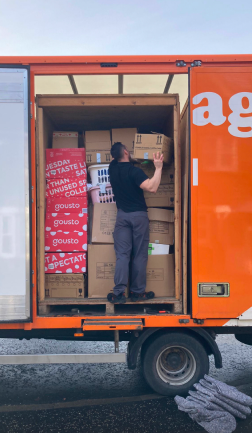
And if, as part of your decluttering, you find yourself needing storage to allow you the clean, tidy space you deserve,at really great prices -we even collect and deliver back - you know where we are: easyStorage


.png)