.png)
Easing the Burden After a Death
There are, according to specialists, five stages of grief:
- Denial
- Anger
- Bargaining
- Depression
- Acceptance.
Some further split up acceptance further into an upturn, but the point of mentioning these stages isn’t to become armchair psychologists, but to point out that grief is a complex thing and we pass through them at different paces. We all grieve in our own way, some publicly, some privately; some manage healthily and others struggle. There is no blueprint and sometimes the grief is not even immediately evident.
This makes for a boiling pot of emotions when it comes to sorting a loved one's possessions. Going through these things can provide reminders of happiness or unhappiness, cause the sense of grief to heighten, and deliver up unexpected surprises – like a family member no-one knew about or a deep secret about a loved one’s former occupation.
At easyStorage we are well aware that a death in the family is often the reason people come to us, and in that spirit we have researched ways to make life easier:
Start with instructions
See if the deceased left any instructions regarding belongings. These may be with a will or funeral plan.
It is the executor’s role to manage this process – there’s great summary of the role of the executor in The Gazette: What are the responsibilities of an executor?
If someone dies 'intestate' (without making a will), the law decides who should deal with the deceased's affairs and who should inherit their estate (property, personal belongings and money).
There’s a good guide on the gov.uk site regarding this: If someone dies without a will

Follow the process and look after yourself
The process in the UK following a death is roughly:
· Register the death
· Arrange the funeral
· Assess how the death affects you personally, according to your relationship with the deceased: you may be entitled to bereavement benefits, and your own benefits, pension and taxes may change. You may, for example, need to apply to stay in the UK. And if you inherit anything of value, there will be inheritance taxes to pay. The Citizens Advice Bureau are a great service for guiding people through these things.
· Apply for probate, the legal process for reviewing assets and deciding the inheritors of the deceased, if needed. A probate proceeding may be essential if the deceased leaves an ‘estate’ (all their belongings/wealth combined) of high value.
Sadly, all of this has to be done before the estate can be divided and whilst everyone is still going through the stages of grief mentioned above.
With all of those emotions flying around, it’s small wonder that so many families struggle to stick together and agree after a death, especially when the deceased was the head of a family. Add in favouritism, estrangement, separation and divorce, financial problems, and things like a lack of will, or difficult and high pressure decisions being made over a loved ones end of life, and it’s a powder keg waiting to explode.
Handling possessions should be the last thing on that list, legally, but sometimes it’s a routine that people need to go through to get to acceptance of the situation.
For everyone concerned, a lot of patience and understanding is required. Trying not to attribute negative motives like greed to others is a good place to start – wanting to get things sorted/done is often part of someone’s ‘coping mechanism’.
Sorting possessions
Someone’s possessions have been accumulated over the course of a lifetime and they all need clearing out. Agree with everyone who should be involved, including any you may not particularly like, to set some time aside after the funeral to make a start.
Try adopting the following principles for a smoother ride:
· Take as long as you need. A lifetime of things has a lifetime of meanings.
· Don’t feel obliged to throw anything away if it has meaning to you, and make sure no-one else will be hurt by disposing of something.
· Try and understand that others’ emotions/feelings may different to yours and may even be delayed.

Valuations
The estate administrators will want to start with things of value, and things like jewellery may also have strong emotional ties too, a potential source of conflict if no clear instructions have been given.
Artwork, antiques, musical instruments and collections of things like stamps or vinyl may also have values that aren’t immediately obvious.
Having these things professionally valued at the outset is a great way of getting things in motion, of taking action without the emotional decisions of passing things on.
Personal possessions
Personal things of only emotional value are often the hardest to have around and/or decide what to do with them. Photos, letters, a favourite jumper…. Sometimes storing them away in the short term to make a decision later is easier. Make sure you store safe and dry.
Deciding what has sentimental value and what can be sold, recycled or passed on is tough. Asking everyone to say what they would like as mementoes is often a great place to start, and a good springboard for spotting potential areas of conflict. Sometimes a close family friend can be invaluable in helping make these decisions!
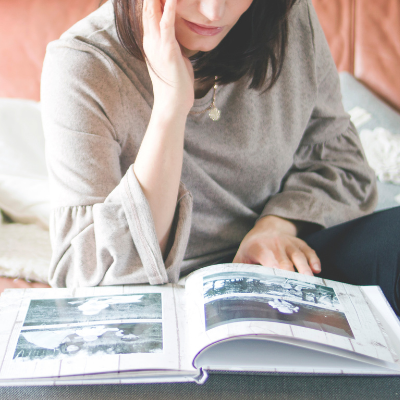
Be aware that sorting through can be physically and emotionally exhausting. Make life easier by being prepared with refreshments and plenty of rubbish sacks at the ready.
Basic packing things to have to hand include:
· Marker pen, tape, etc for labelling and sealing
Don’t try and do it alone
Look for people who want involvement or who want to do something to help. Death can leave you feeling really helpless, and being given the chance to do something practical is often a blessing. The worst that can happen is someone will say no, so don’t be afraid to ask.
Jobs to allocate might include:
· Cleaning
· Helping packing
· Helping move boxes
· Runs to charity stores, a dump or the recycling bins
· Phone calls
Storage can help
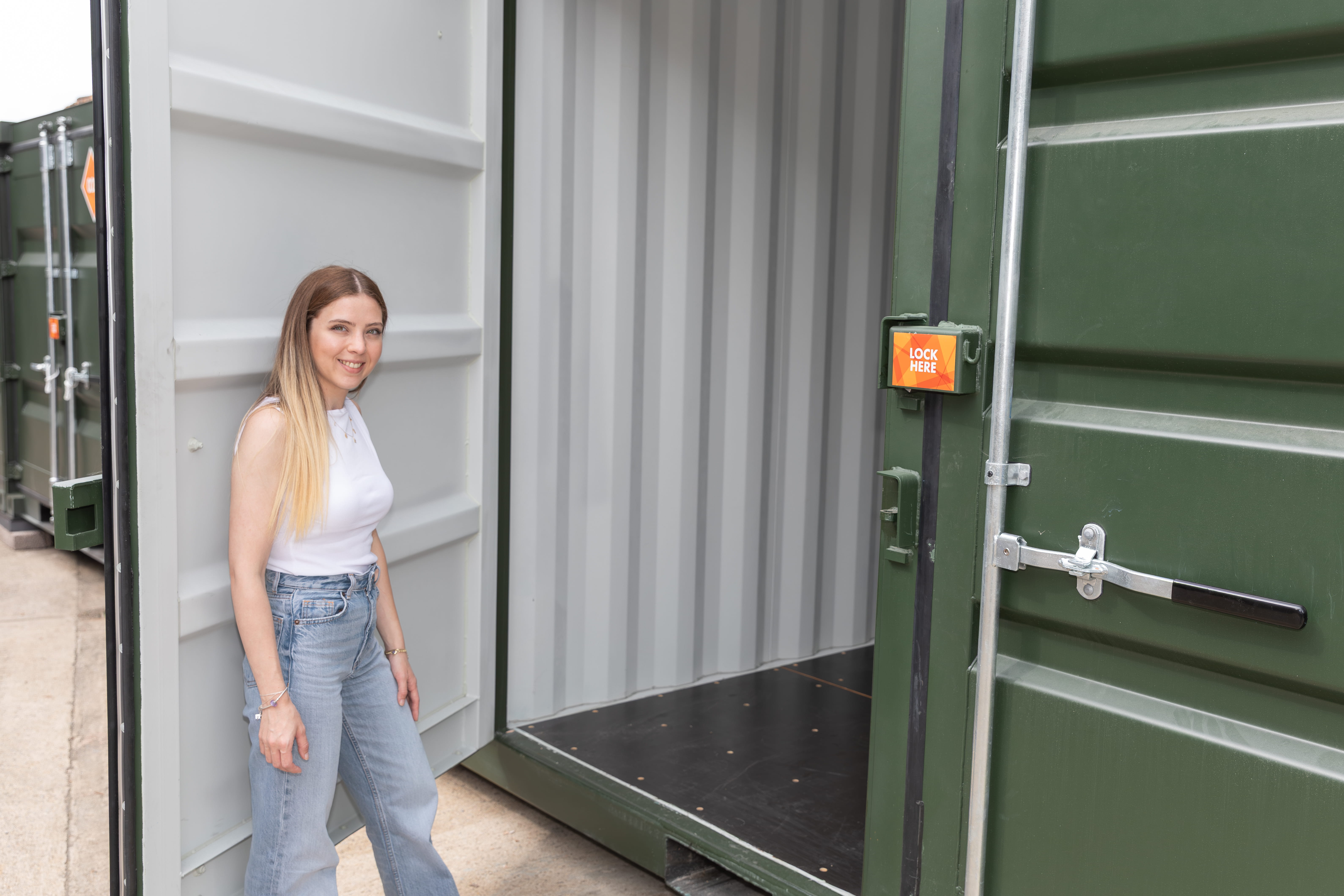
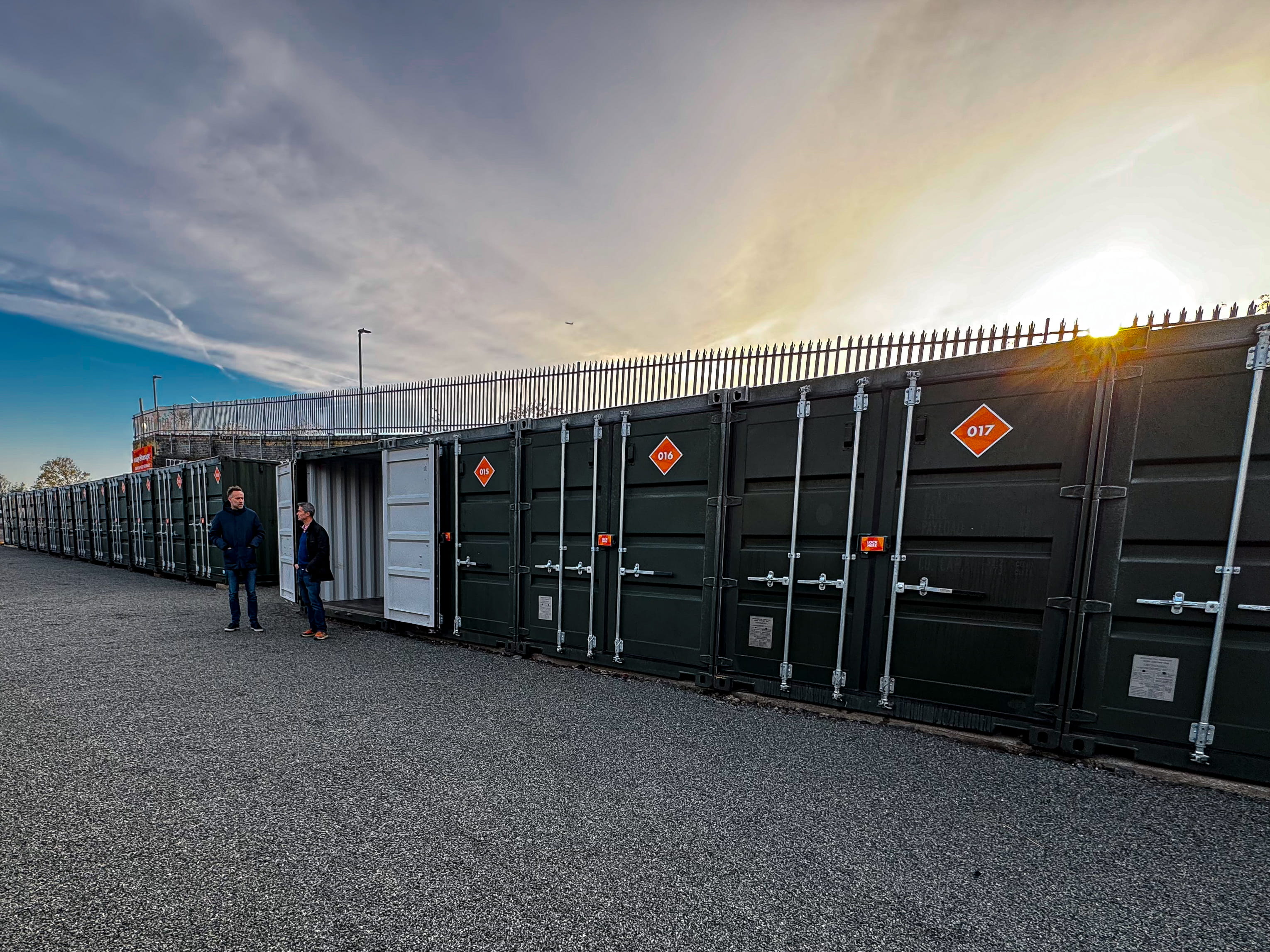
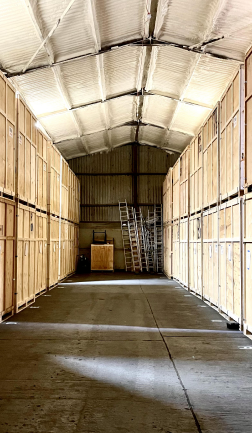
A self storage facility can allow you to clear a space without having to take immediate decisions about who has what. It offers relatives who live a long way away time to arrive, and time for people to get over the initial shock and trauma of a death. It can also give you the space to clear a house ready for sale or rent (subject, of course, to legalities) and for probate to be sorted.
You may find that the funeral director that you’re working with can help you with this. (easyStorage is a member of the NAFD)
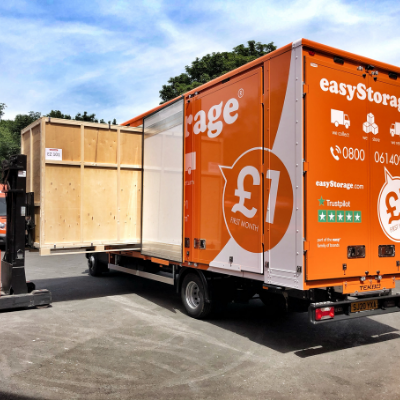
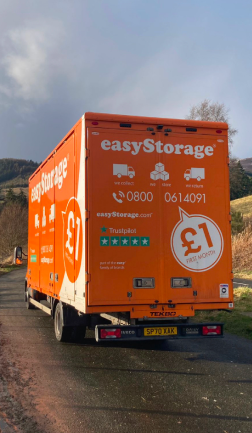
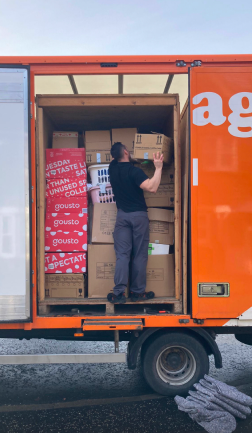
It’s probably cheaper than you anticipate, especially with new ‘mobile storage’ type options like easyStorage that collect and deliver things for you, and can even help with packing and loading.
However you finally choose to arrange things, if you are reading this following a bereavement or are preparing for one, we are sorry for your loss, wish you a smooth transition to life without your loved one, and hope that this information has, in some small way, proved helpful to you.
Please note that advice given here is generic in nature and does not replace proper legal advice.
.png)